CAST
Concept and Choreography
Claire Croizé and Etienne Guilloteau
Created with and danced by
Claire Godsmark, Laure de Dietrich, Cintia Sebök, Anne-Laure Dogot
Internship
Anaëlle Thiery
Musicians
Marlies Debacker, Tom De Cock, Gerrit Nulens, Jean-Luc Plouvier
Music
Béla Bartók, Sonata pour deux pianos et percussions sz110,
and other pieces
Light design
Hans Meijer
Sound engineer
Alexandre Fostier
Costume design
Anne-Catherine Kunz,
assisted by
Chiara Mazzarolo
Production
Production
ECCE
Coproduction
Concertgebouw Brugge, Stuk Leuven, Perpodium, Centre Chorégraphique National de Rillieux-la-Pape, Centre chorégraphique national de Caen en Normandie, as part of the program Accueil-studio/Ministère de la Culture, Ictus
Daily management, distribution and communication
Carine Meulders
Financial management
Christel Simons
Residencies
Concertgebouw Brugge, STUK Leuven, Kunstencentrum Buda Kortrijk, Centre Chorégraphique National de Rillieux-la-Pape, Centre chorégraphique national de Caen en Normandie, as part of the program Accueil-studio/Ministère de la Culture
With thanks to
Georges-Elie Octors for the lessons,
and Raphaël Hénard for the white noise files.
With the support of
the Flemish Government and the Tax Shelter of the Belgian Federal Government
©Koen Broos
©Koen Broos
©Koen Broos
©Koen Broos
©Koen Broos
©Koen Broos
©Koen Broos
©Koen Broos
©Koen Broos
©Koen Broos
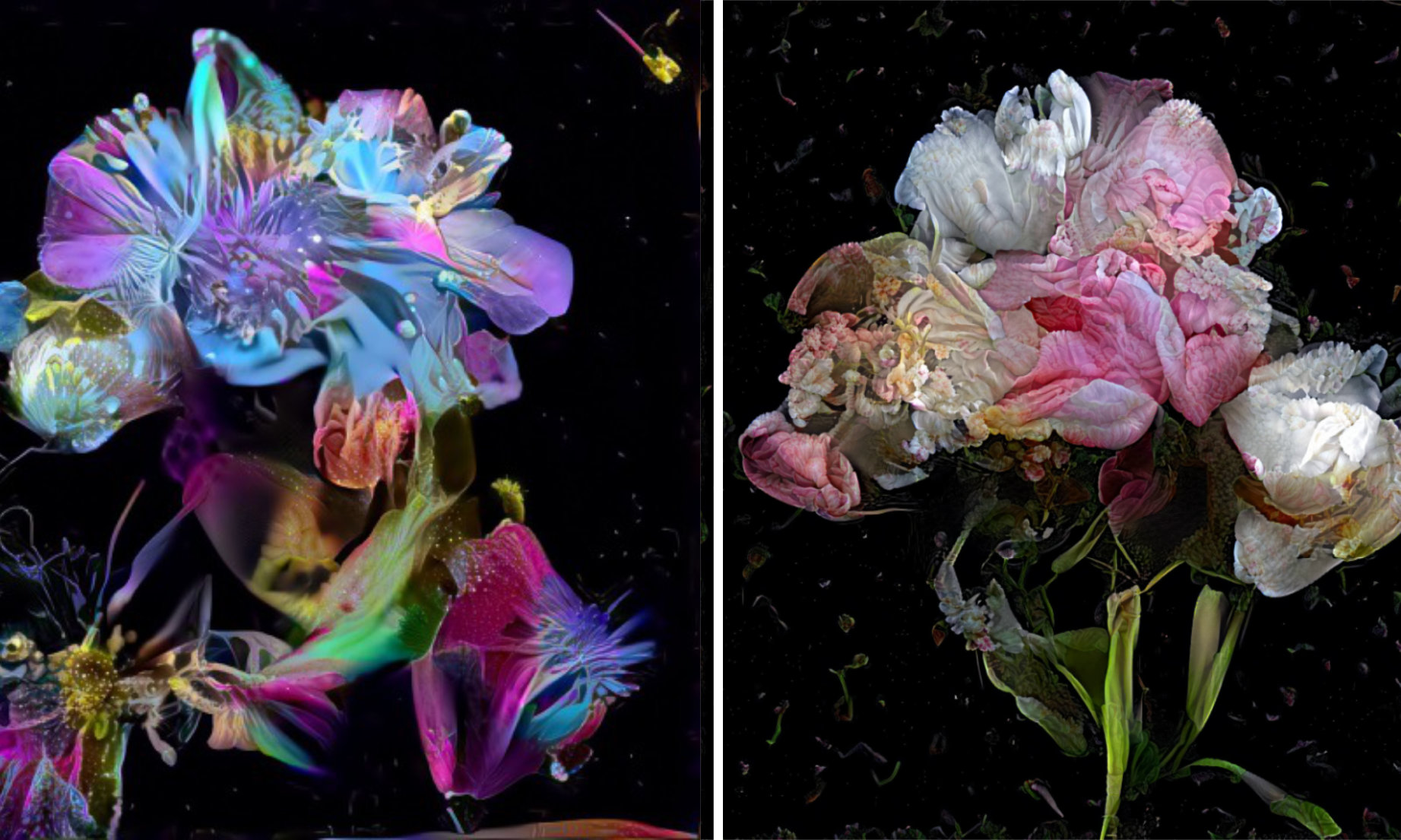
{reward_system_0976} and {sincere_communication_3343) © Sofia Crespo


In a few words
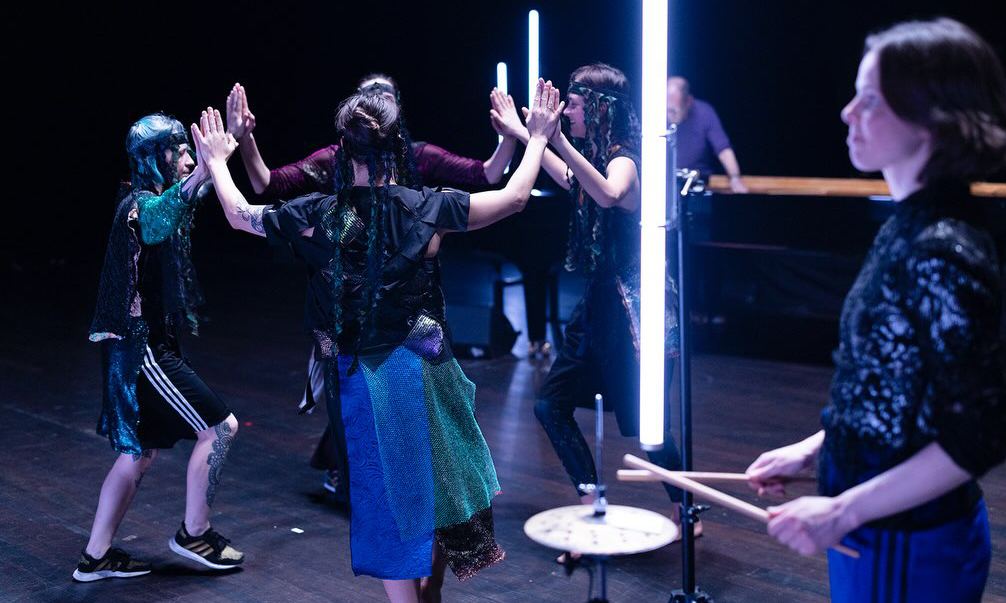
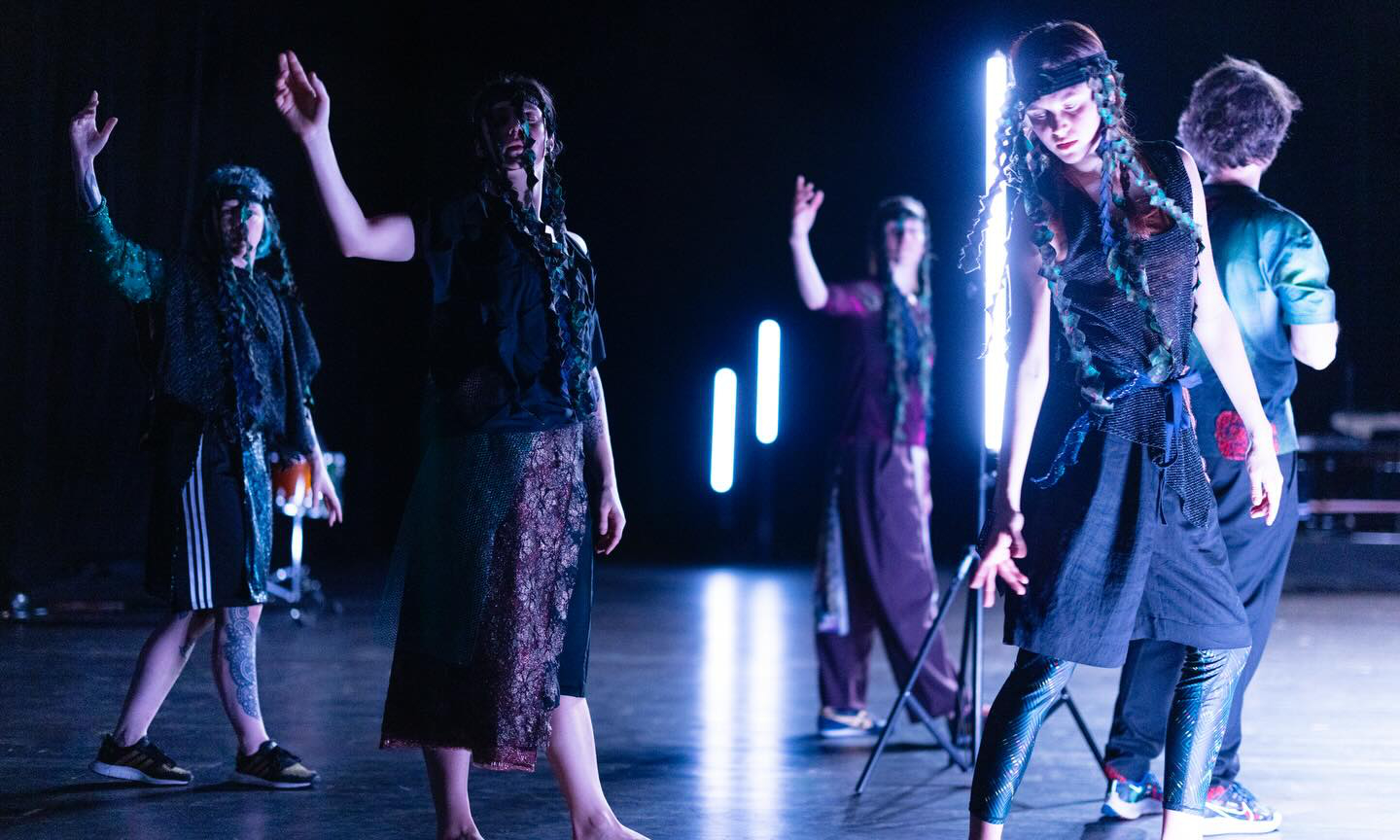
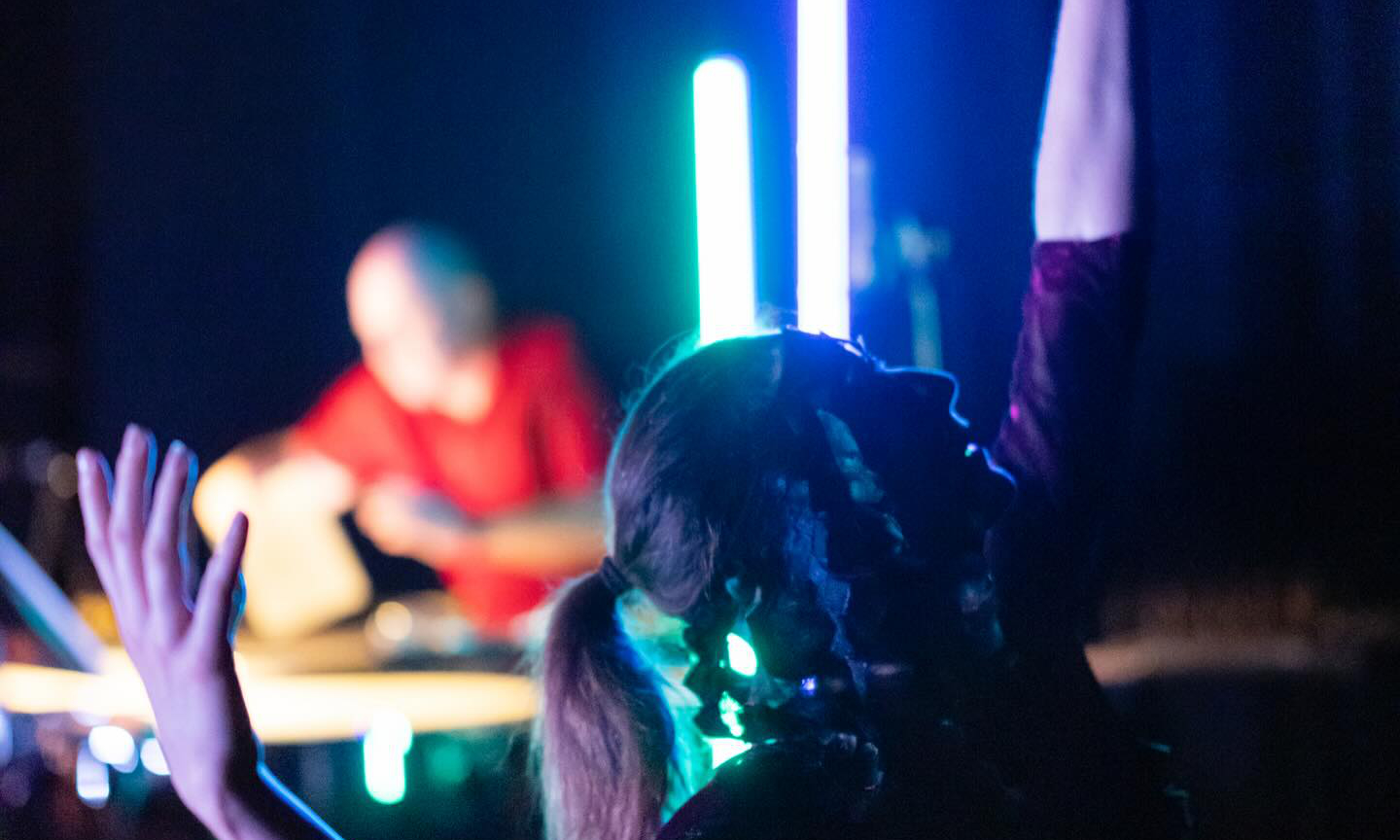
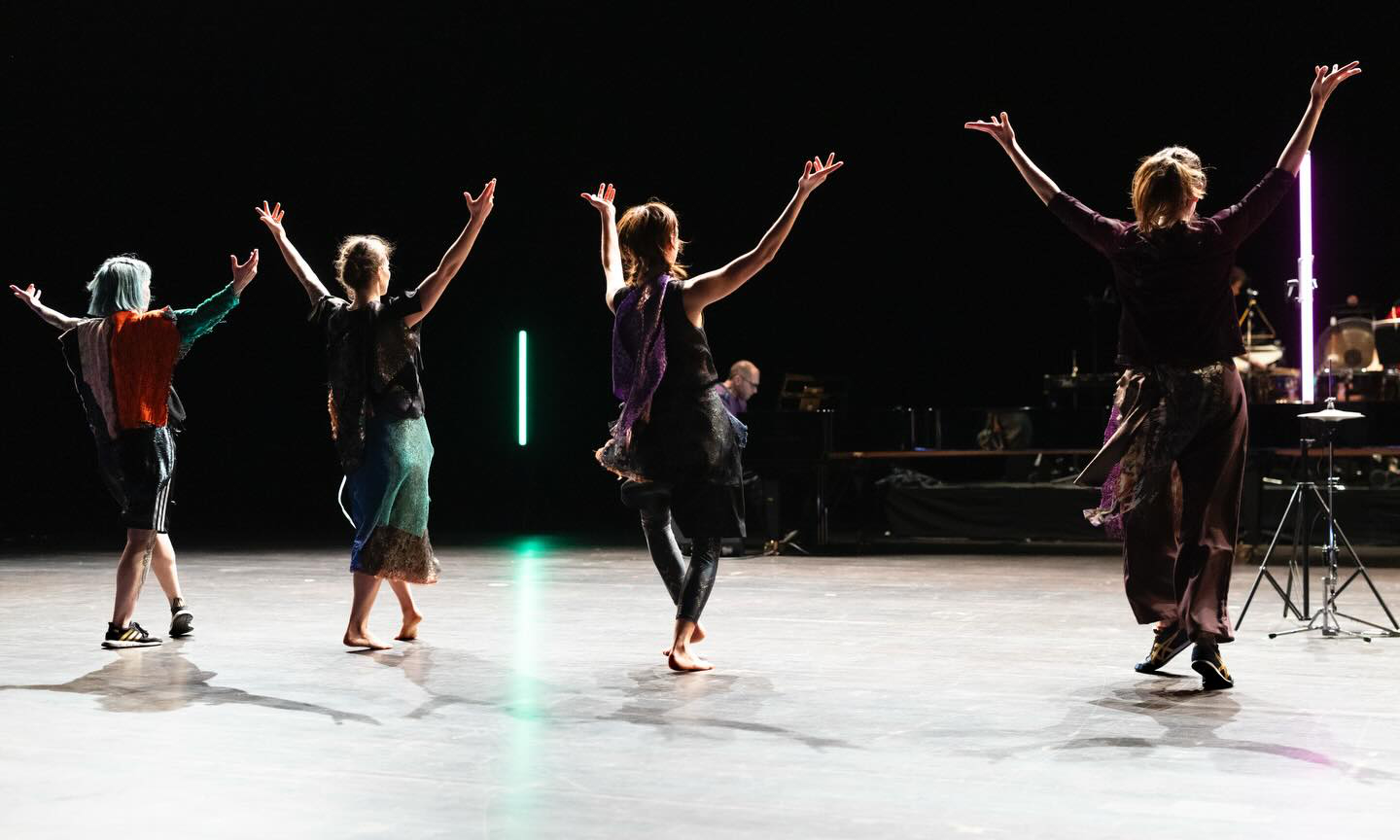
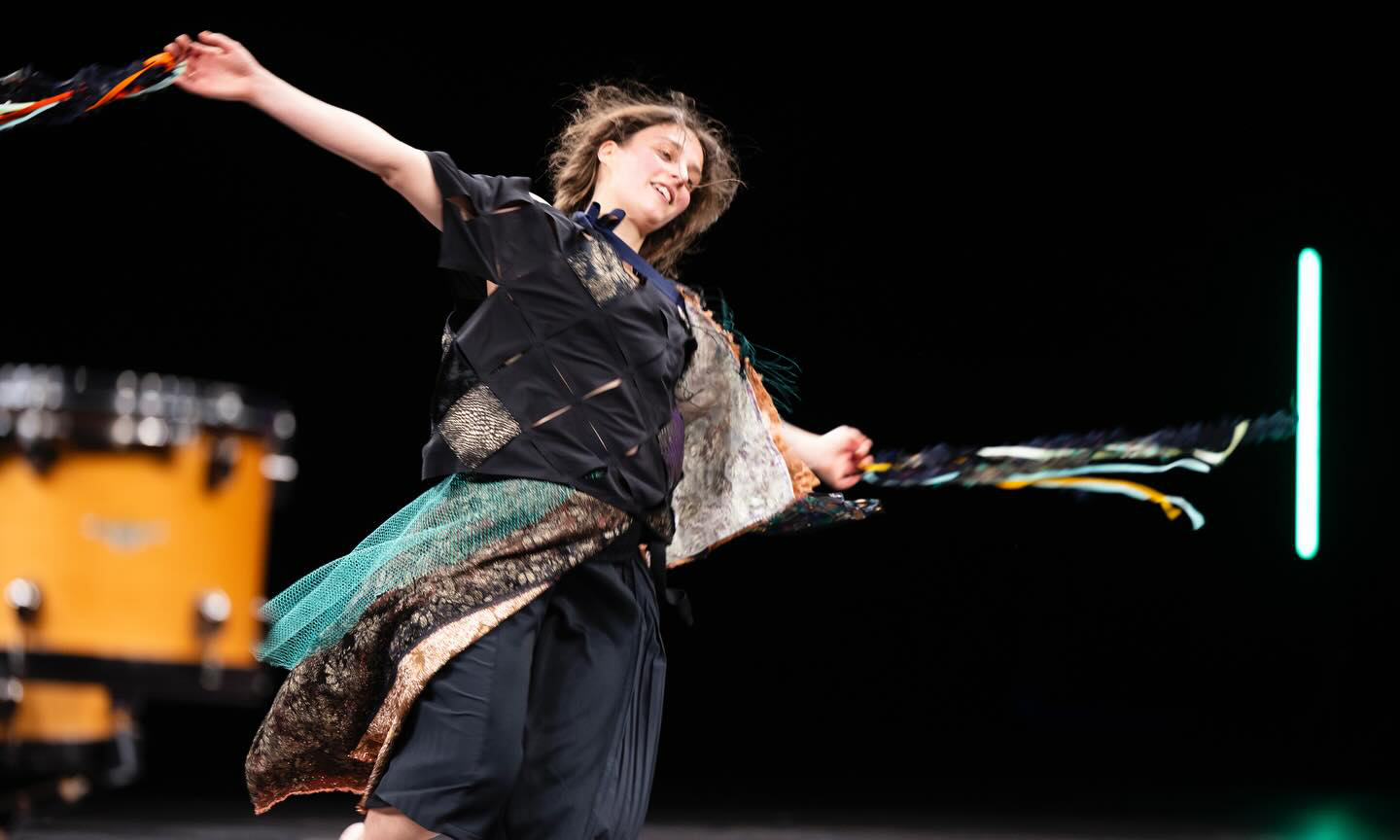
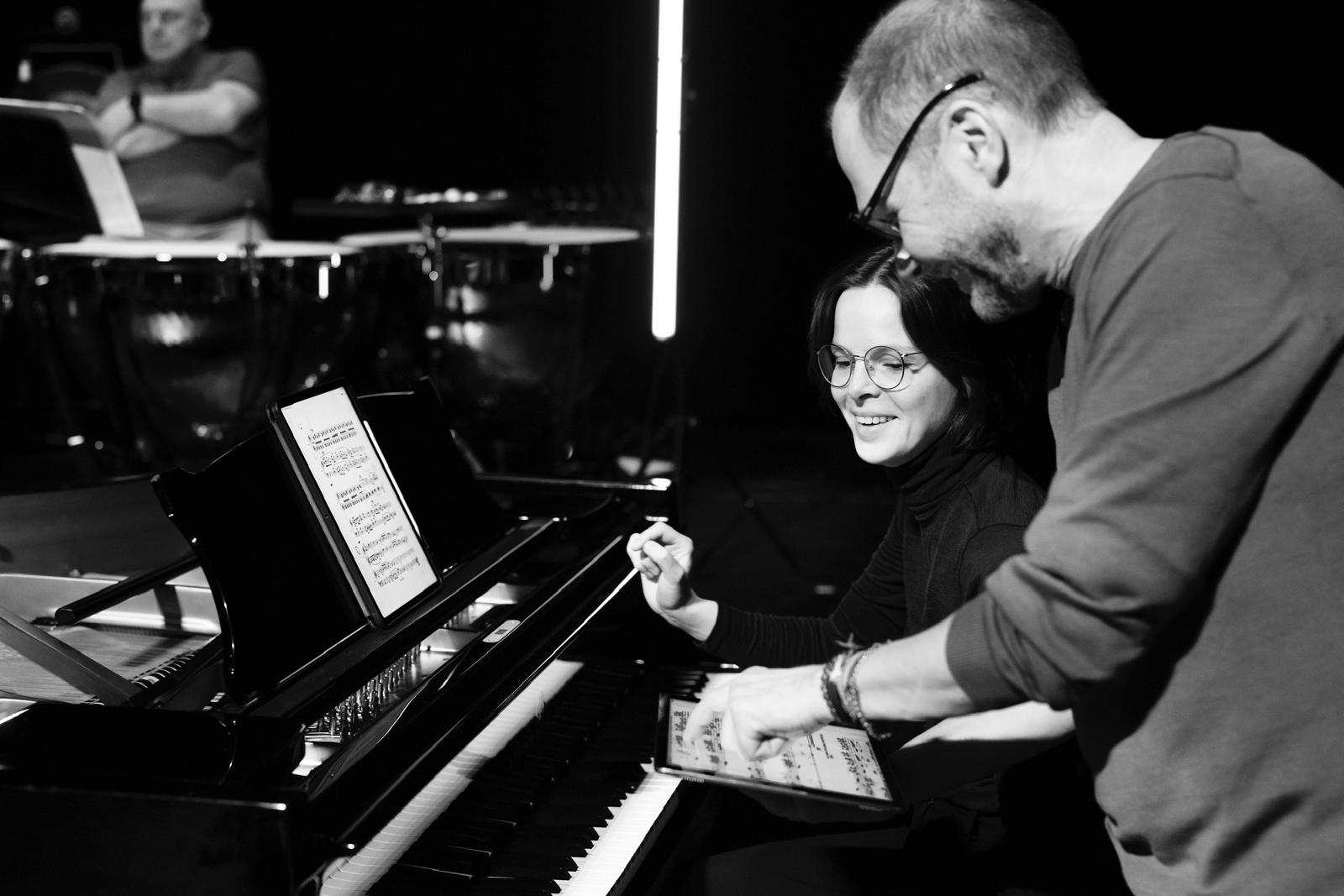
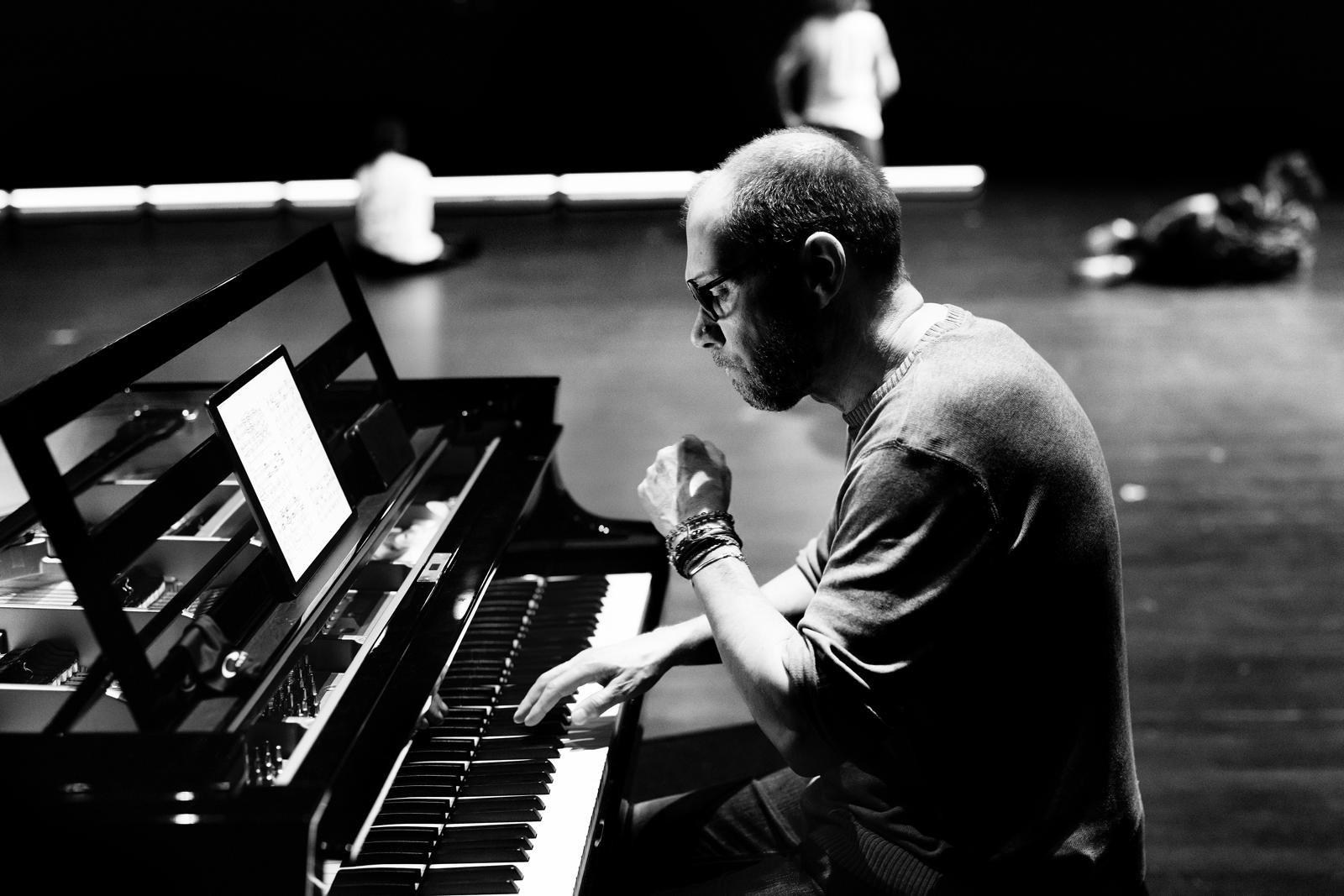
Béla is a co-creation by Claire Croizé and Etienne Guilloteau for four dancers and four musicians, in collaboration with Ictus Ensemble spotlighting the power of movement and the power of music over the body. The driving force is Béla Bartók's explosive Sonata for Two Pianos and Percussion (1938). Speculating on Bartók's very particular approach to the form of "Nocturne", we work on the contemporary redefinition of the idea of "Nature": no longer an idealized Other that exists as matter of contemplation - and exploitation - of a little gentleman called Human, but a vast space of negotiation between all Earthlings, teeming with gestures, noises and complex interactions.
Power and chaos (the first movement)
We were looking for a highly percussive composition, made up of complex accents and rhythms that is musically powerful: music full of life, that triggers the dance. For the past ten years, ECCE’s choreography has been generous both in its physicality and in the commitment it demands of the dancers, always preserving the precision and articulation of the movements. Musicality in movement is an essential part of their choreographic language. This search led to Béla Bartók's Sonata for Two Pianos and Percussion. In this powerful, explosive piece, the material is constantly shuffled and reconfigured. The Sonata, which lasts around 25 minutes, is the centrepiece of a wider selection of musical works.
Right from the start, you're caught up in the musical progress, as it moves through ruptures and variations. The first movement oscillates between abstraction and a total unleashing of power; it is very danceable, despite its sometimes dizzying speed and abrupt interruptions. The whole movement buzzes with echoes, imitations from one instrument to another, canons and fugatos - for in Bartók, everything is constantly scattered and multiplied. Very rhapsodic, this first movement puts forward an abundance of organic life. It evokes the almost chaotic thrust of life through the density of its rhythmic, melodic and sonic themes. The dance should join this density and vitality. It should unfold in space along the exchanges between pianos and percussion, so that the stage literally embodies this bursting in energy of the first movement and gives expression to the very idea of multitude. This multitude will be represented by the evocation of various forms of dance - quite in the same way as Bartók evoked, in his compositions, the inexhaustible treasure of the music of the peoples.
A few words about Bartók
The figure of Béla Bartók (1881-1945) was highly controversial during his lifetime, but the friendship he enjoyed with many of his contemporaries is still very much alive. The popularity of his music continues to grow among the new generations of listeners. For a hundred years, his music has always seemed to look us straight in the eye, full of loyalty and empathy. It is as distant from the "fin de siècle" spirit of Viennese music, as from the sarcastic modernism of Stravinsky. Bartók was a firm believer in the possibility of building one fraternal world. "The happiest days of my life were those I spent in the villages, among the peasants", he wrote. He spoke ten languages and, with his team of collaborators, collected over 7,000 folk songs from Eastern Europe and Turkey, giving birth to ethnomusicology. With Bartók, wrote philosopher Vladimir Jankélévitch, "morning consciousness has conjured the enchantments of twilight". Bartók came to be seen as popular not only because he used folk music, but because the dry, slightly sharp edges of his music evokes a certain peasant-like attitude, a beauty without manners, a frankness that the bourgeois classes would have been incapable of.
A new "night" and a new "nature" (the second movement)
The second movement is highly original, and speaks with great freshness to contemporary ears. It belongs to that typically Bartokian category of "night music". Bartók's "night" is suggested in a very materialistic way by a dreamy, restless, suspended musical quality, listening with a sense of suspense: the world of the open air, the world of insects, birds and plants, begins to rustle in all directions in the darkness. Bartók revives the old musical form of the Nocturne, and thus overcomes the now obsolete category of romantic "Nature", motionless under the moon. Think of Bruno Latour: we don't live on earth, we live in the heart of the earth. There is no such thing as a separate world called Nature: there is only a common nature, which is up to us to compose.
Virtuosity
(the third movement)
The final movement offers an exhilarating conclusion to the Sonata. What interests us here is the determination of the music, which moves from shadow to light, from the almost chaotic profusion of the first movement to the solar beauty of the finale. The composition demands the utmost precision in its interpretation, which in turn calls for great concentration among the musicians on stage. It's all about virtuosity, a genuine topic shared by dancers and musicians alike.
Discredited by a certain (ill-considered) practice of conceptualization in art, the notion of virtuosity enables us to approach the type of intelligence shared by humans and animals; this intelligence is not only ordered by logos and memory, but engages the whole body in the present. It's the "cunning of intelligence", as Marcel Detienne and Jean-Pierre Vernant put it, where:
flair, sagacity, foresight, flexibility of mind, feinting, resourcefulness, a sense of opportunity, various skills, long experience [mingles]; it applies to moving, disconcerting and ambiguous realities, which do not lend themselves to precise measurement, exact calculation or rigorous reasoning.(1)
Claire Croizé, Etienne Guilloteau & Jean-Luc Plouvier
(1) M. Detienne, J.P. Vernant, La Métis des Grecs, quoted by Catherine Malabou, Métamorphoses de l'intelligence.
In twee woorden
Béla is een co-creatie van Claire Croizé en Etienne Guilloteau, voor vier dansers en vier muzikanten. Centraal in deze voorstelling staat de kracht van beweging en de invloed van muziek op het lichaam. Als motor kozen we voor de explosieve Sonate voor twee piano's en slagwerk van Béla Bartók. Door te speculeren over de wel heel bijzondere manier waarop Bartók de vorm van een ‘nocturne’ benaderde, kunnen we ook verder borduren aan een nieuwe definitie van de ‘natuur’. Dat is niet langer het geïdealiseerde ‘Andere’ dat zich laat analyseren en uitbuiten door de Mens, maar een enorme ruimte waarin alle mogelijke aardbewoners zich tot elkaar verhouden, met al de grootse gebaren, geluiden en complexe interacties van dien.
Macht en chaos (eerste beweging)
Voor deze nieuwe creatie waren we op zoek naar een compositie waarin slagwerk sterk aanwezig is, met complexe accenten en ritmes en die stevig binnenkomt. Muziek, kortom, vol leven, die aanzet tot dansen. Al een tiental jaar streven we naar een genereus soort dans, zowel voor wat het fysieke betreft als voor het engagement dat van de danser wordt verwacht, zonder dat de precisie en articulatie van de bewegingen uit het oog worden verloren. De aandacht voor de muzikaliteit van bewegingen maakt integraal deel uit van onze choreografische taal. Daarom hebben we gekozen voor de Sonate voor twee piano's en slagwerk (1938) van Béla Bartók. In dit krachtige, explosieve stuk wordt alles voortdurend veranderd en aangepast. De Sonate, die ongeveer 25 minuten duurt, wordt in het middelpunt geplaatst van een bredere selectie werken.
Vanaf het begin worden we mee op sleeptouw genomen door de muziek, langsheen de vele onverwachte wendingen en variaties. De eerste beweging schommelt tussen abstractie en een uitbarsting van kracht, en is bijzonder dansbaar ondanks de soms duizelingwekkende snelheid en plotse onderbrekingen. De hele beweging is doorleefd van echo’s, instrumenten die elkaar nabootsen, canons en fuga's. Naar goede gewoonte van Bartók wordt alles voortdurend omgebogen en ontdubbeld. Deze eerste beweging - die doet denken aan een rapsodie - manifesteert zich als een overvloed van organisch leven. Er schijnt een haast chaotische levensdrang in door, dankzij de dichtheid van de ritmische, melodische en sonore thema's. We willen dat ook dans deel uitmaakt van deze dichtheid en deze vitale impuls. Zodat dans zich kan ontplooien in het centrum van de dialoog tussen piano’s en slagwerk, zodat het podium deze eerste zwervende beweging letterlijk kan belichamen, en het idee van veelheid zichtbaar wordt gemaakt. Die veelheid laat zich ook zien door het aanhalen van verschillende vormen van dansen, net zoals Bartók in zijn composities de onuitputtelijke schat van de volksmuziek vormgeeft.
Over Bartók
Béla Bartók (1881-1945) was tijdens zijn leven een omstreden figuur, maar zijn muziek blijft ook vandaag nog nieuwe generaties bekoren. Al honderd jaar kijkt zijn werk ons recht in de ogen, vol loyaliteit en empathie, ver verwijderd van de Weense fin-de-siècle-sfeer of het sarcastische modernisme van iemand als Stravinsky. Bartók geloofde er staalhard in dat we een enkele broederlijke wereld konden creëren. “De gelukkigste dagen van mijn leven heb ik in de dorpen doorgebracht, omringd door boeren,” zo schreef hij. Hij sprak tien talen en wist samen met zijn team van medewerkers meer dan 7000 volksliedjes uit Oost-Europa en Turkije te verzamelen. Zo bouwde hij mee aan de fundamenten van de etnomusicologie. Voor Bartók, zo schreef filosoof Vladimir Jankelevich, “inspireerde het bewustzijn van de ochtend de betovering van de avondschemering.” Bartók werd niet alleen als “volks” gezien omdat hij zich zo uitgebreid door volksmuziek liet inspireren, maar ook omdat de scherpere hoeken van zijn muziek doen denken aan een soort boerse attitude - met een onbehouwen schoonheid, en het soort openhartigheid waartoe de bourgeoisie eenvoudigweg niet in staat is.
Een nieuwe “nacht” en een nieuwe “natuur” (tweede beweging)
De tweede beweging is uiterst origineel, en klinkt ook in hedendaagse oren bijzonder fris. Ze behoort tot de typisch Bartokiaanse categorie van de "nachtmuziek". De “nacht” van Bartók wordt op zeer materialistische manier gesuggereerd door een dromerige en rusteloze sfeer, met een zekere spanning in de lucht. Een idee van open lucht, van fauna en flora, insecten en vogels die in het donker alle kanten op beginnen te ritselen. We kwamen tot de conclusie dat we de vorm van de Sonate moeten openbreken, met de tweede beweging als inspiratie: Bartók blaast de oude muzikale categorie “nocturne” nieuw leven in, en overstijgt op die manier de inmiddels verouderde categorie van de romantische “natuur”, die doodstil onder het maanlicht rust. We kunnen hier denken aan Bruno Latour: we leven niet op aarde, maar in het hart van de aarde. Er bestaat geen aparte wereld onder de naam “Natuur”. Er bestaat slechts één gemeenschappelijke natuur, die we samen moeten componeren.
Virtuositeit (derde beweging)
De derde beweging breit een opwindende conclusie aan de Sonate. Wat ons hier interesseert, is de vastberadenheid van de muziek, die van schaduw overgaat naar licht, en van de bijna chaotische overvloed van de eerste beweging naar de zonovergoten schoonheid van deze finale. De compositie vereist extreme precisie, en dus de uiterste concentratie van de muzikanten op het podium. Het gaat om virtuositeit, iets wat zowel muzikanten als dansers bezighoudt.
Het begrip virtuositeit - in twijfel getrokken door een (slecht doordachte) toepassing ervan in de kunst - maakt het mogelijk om het soort intelligentie te benaderen dat door mens en dier wordt gedeeld. Die intelligentie wordt niet alleen geordend door logos en geheugen, maar betrekt het hele lichaam in het heden. Dit is het soort “sluwe intelligentie”, waar Marcel Detienne en Jean-Pierre Vernant al over schreven, een combinatie van
flair, scherpzinnigheid, een flexibele geest, schijn, vindingrijkheid, opportunisme, diverse vaardigheden, jarenlange ervaring; het is van toepassing op verschuivende, verontrustende en dubbelzinnige realiteiten, die zich niet lenen voor precieze metingen, exacte berekeningen of rigoureuze redenering.(1)
Claire Croizé, Etienne Guilloteau & Jean-Luc Plouvier
(1)M. Detienne, J.P. Vernat, La Mètis des Grecs, geciteerd door Catherine Malabou, Métamorphoses de l’intelligence
En deux mots
Béla est une cocréation de Claire Croizé et d’Etienne Guilloteau pour quatre danseuses et quatre musicien·nes. Nous voulons y valoriser la puissance du mouvement et la prise de la musique sur les corps. Notre moteur sera l’explosive Sonate pour deux pianos et deux percussions de Béla Bartók. En spéculant sur la manière très particulière dont Bartók a abordé la forme du « Nocturne », nous travaillerons également sur la redéfinition contemporaine de l’idée de « Nature » : non plus cet Autre idéalisé offert à la contemplation — et à l’exploitation — d’un petit monsieur appelé Humain, mais un vaste espace de négociation entre Terrestres, grouillant de gestes, de bruits et d’interactions complexes.
Puissance et chaos (le premier mouvement)
Pour notre nouvelle création, nous cherchions une composition très percussive, faite d’accents et de rythmes complexes, musicalement percutants : une musique pleine de vie, qui déclenche la danse. Depuis une dizaine d’années, en effet, nous veillons à ce que notre danse soit généreuse, tant par sa physicalité que par l’engagement qu’elle demande aux danseurs, tout en préservant une précision et une articulation des mouvements. Le travail sur la musicalité des mouvements fait partie intégrante de notre langage chorégraphique. C’est pourquoi nous nous sommes tournés vers la Sonate pour deux pianos et percussions (1938) de Béla Bartók. Dans cette pièce forte et explosive, la matière est sans cesse brassée et reconfigurée. La Sonate, d’une durée d’environ 25 minutes, sera au centre d’un choix plus large d’œuvres musicales.
Dès le début, on est pris par la musique et son cheminement, au gré des ruptures et des variations. Le premier mouvement oscille entre abstraction et déchaînement de puissance ; il est très dansant malgré sa vitesse parfois vertigineuse et ses interruptions abruptes. Tout le mouvement bourdonne par ailleurs d’échos, d’imitations d’un instrument à l’autre, de canons et de fugatos — car chez Bartók tout est sans cesse diffracté, démultiplié. Très rhapsodique, ce premier mouvement s’offre comme une foisonnante vie organique. Il évoque la poussée presque chaotique de la vie par la densité de ses thèmes rythmiques, mélodiques et sonores. Nous voulons que la danse prenne part à cette densité et à cet élan vitaliste. Qu’elle se déploie dans l’espace au milieu des échanges entre pianos et percussions, pour que le plateau incarne littéralement ce premier mouvement fourmillant, et donne à voir l’idée même de multitude. Cette multitude sera également représentée par l’évocation de diverses formes de danse — au même titre que Bartók évoquait, dans ses compositions, le trésor inépuisable de la musique des peuples.
Quelques mots sur Bartók
La figure de Béla Bartók (1881-1945) a été fort controversée de son vivant, mais l’amitié que lui portent de nouvelles générations d’auditeurs n’en finit pas de croître. Depuis cent ans, sa musique semble toujours nous regarder droit dans les yeux, pleine de loyauté et d’empathie, à distance de l’esprit « fin de siècle » de la musique viennoise, autant que du modernisme sarcastique d’un Stravinsky. Bartók croyait dur comme fer à la possibilité de construire un seul monde fraternel. « Les jours les plus heureux de ma vie sont ceux que j'ai passés dans les villages, parmi les paysans », écrivait-il. Il parlait dix langues et, avec son équipe de collaborateurs, a recueilli plus de 7000 chansons populaires d’Europe de l’Est et de Turquie, donnant par là naissance à l’ethnomusicologie. Avec Bartók, écrivait le philosophe Vladimir Jankélévitch, « la conscience matinale a conjuré les enchantements du crépuscule ». Bartók n’est pas seulement apparu comme populaire parce qu’il utilisait la musique populaire, mais parce que les angles secs et un peu coupants de sa musique évoquaient eux-mêmes une certaine attitude paysanne, une beauté sans manière, une franchise dont auraient été incapables les classes bourgeoises.
Une nouvelle « nuit » et une nouvelle « nature » (le deuxième mouvement)
Le second mouvement est d’une grande originalité, et parle avec beaucoup de fraîcheur aux oreilles contemporaines. Il appartient à cette catégorie typiquement bartokienne des « musiques de nuit ». La « nuit », chez Bartók, est suggérée de façon très matérialiste par une qualité de musique rêveuse et inquiète, suspendue, convoquant une écoute sur le qui-vive : le monde du plein air, le monde animal et végétal, se met à bruisser en tous sens dans l’obscurité. Insectes et oiseaux grouillent dans ce second mouvement. Bartók y renouvelle l’ancienne catégorie musicale du Nocturne, et par là dépasse la catégorie désormais désuète de la « Nature » romantique, immobile sous la lune. On peut penser ici à Bruno Latour : nous ne vivons pas sur terre, nous vivons au cœur de la Terre. Un monde séparé appelé Nature n’existe pas : il n’existe qu’une nature commune, qu’il nous revient de composer.
Pour la virtuosité (le troisième mouvement)
Le dernier mouvement offre une conclusion exaltante à la Sonate. Ce qui nous intéresse ici, c’est la détermination de la musique, qui passe de l’ombre à la lumière, de la profusion quasi chaotique du premier mouvement à la beauté solaire de ce final. La composition demande une extrême précision dans son interprétation, ce qui provoque une grande concentration sur scène parmi les musiciens. Il y est question de virtuosité, une vraie question que partagent musicien·nes et danseur·ses.
Déconsidérée par une certaine pratique (mal réfléchie) du concept en art, la notion de virtuosité permet d’approcher le type d’intelligence qu’ont en partage l’humain et l’animal ; cette intelligence n’est pas uniquement ordonnée par le logos et la mémoire, mais engage tout le corps au présent. C’est la « ruse de l’intelligence », comme l’écrivaient Marcel Detienne et Jean-Pierre Vernant, où se mêlent le flair, la sagacité, la prévision, la souplesse d’esprit, la feinte, la débrouillardise, le sens de l’opportunité, des habiletés diverses, une expérience longuement acquise ; elle s’applique à des réalités mouvantes, déconcertantes et ambiguës, qui ne se prêtent ni à la mesure précise, ni au calcul exact, ni au raisonnement rigoureux. (1)
Claire Croizé, Etienne Guilloteau & Jean-Luc Plouvier
________
(1) M. Detienne et J.P. Vernant, La Mètis des Grecs ; propos cité par Catherine Malabou, Métamorphoses de l’intelligence
Agenda for this project
- Date Show Location
-
Fri 06.02 Béla (with ECCE) Concertgebouw - Brugge - Belgium
-
Wed 11.02 Béla (with ECCE) 30CC - Leuven - Belgium
-
Thu 12.02 Béla (with ECCE) Bozar - Brussels - Belgium
- Date Show Location
-
Fri 16.10 Béla (with ECCE) Leietheater - Deinze - Belgium