Kinok
GALLERY
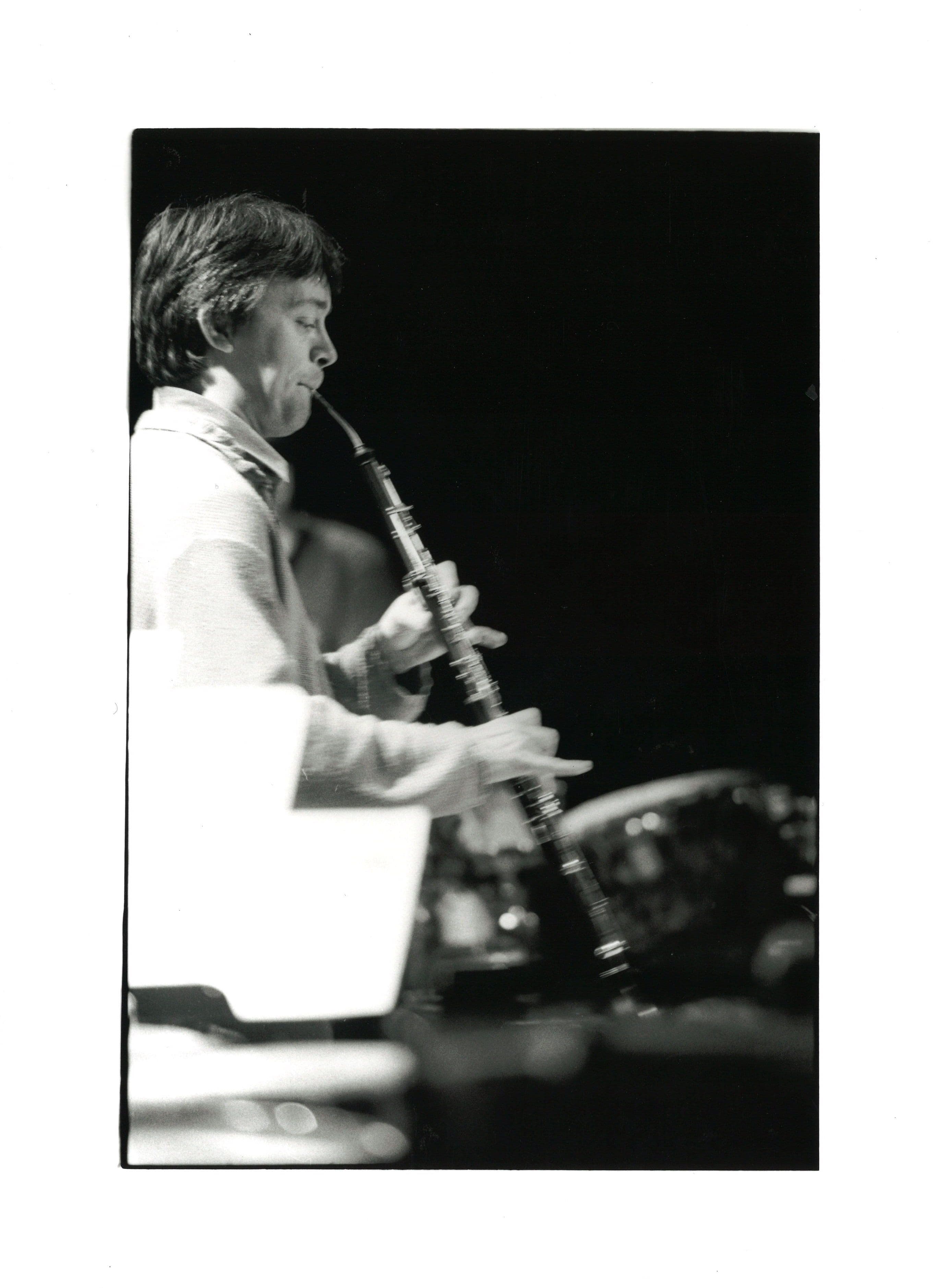
Kinok
was written in 1993–1994 as a concerto for ensemble featuring the oboe (originally performed by Piet Van Bockstal).
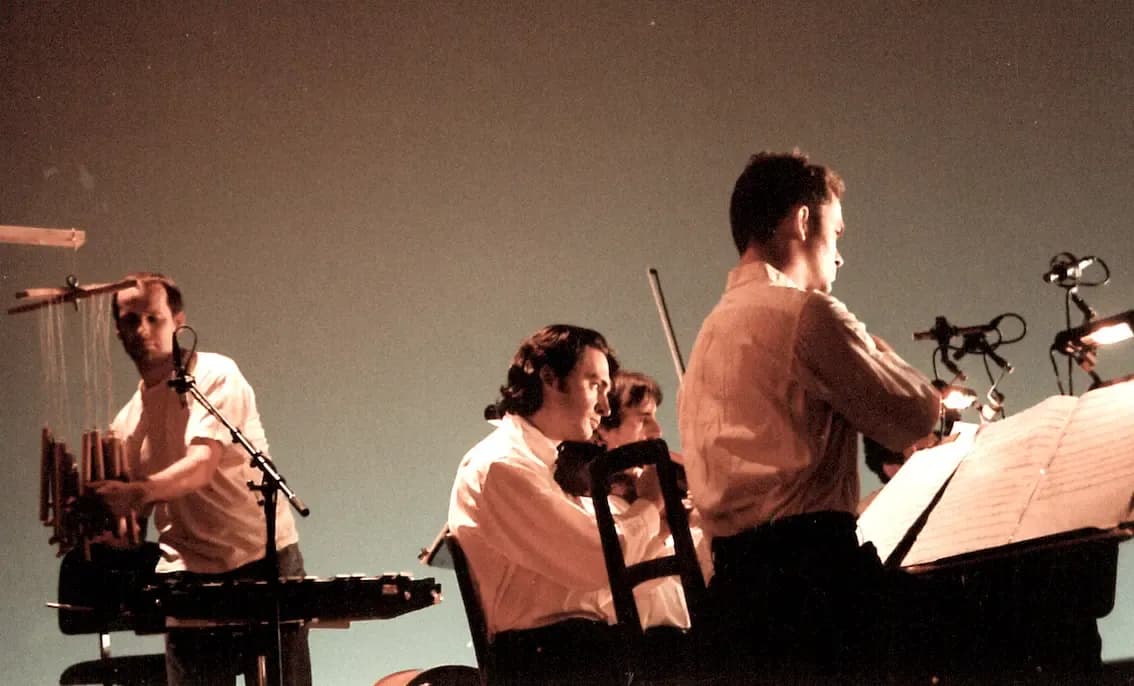
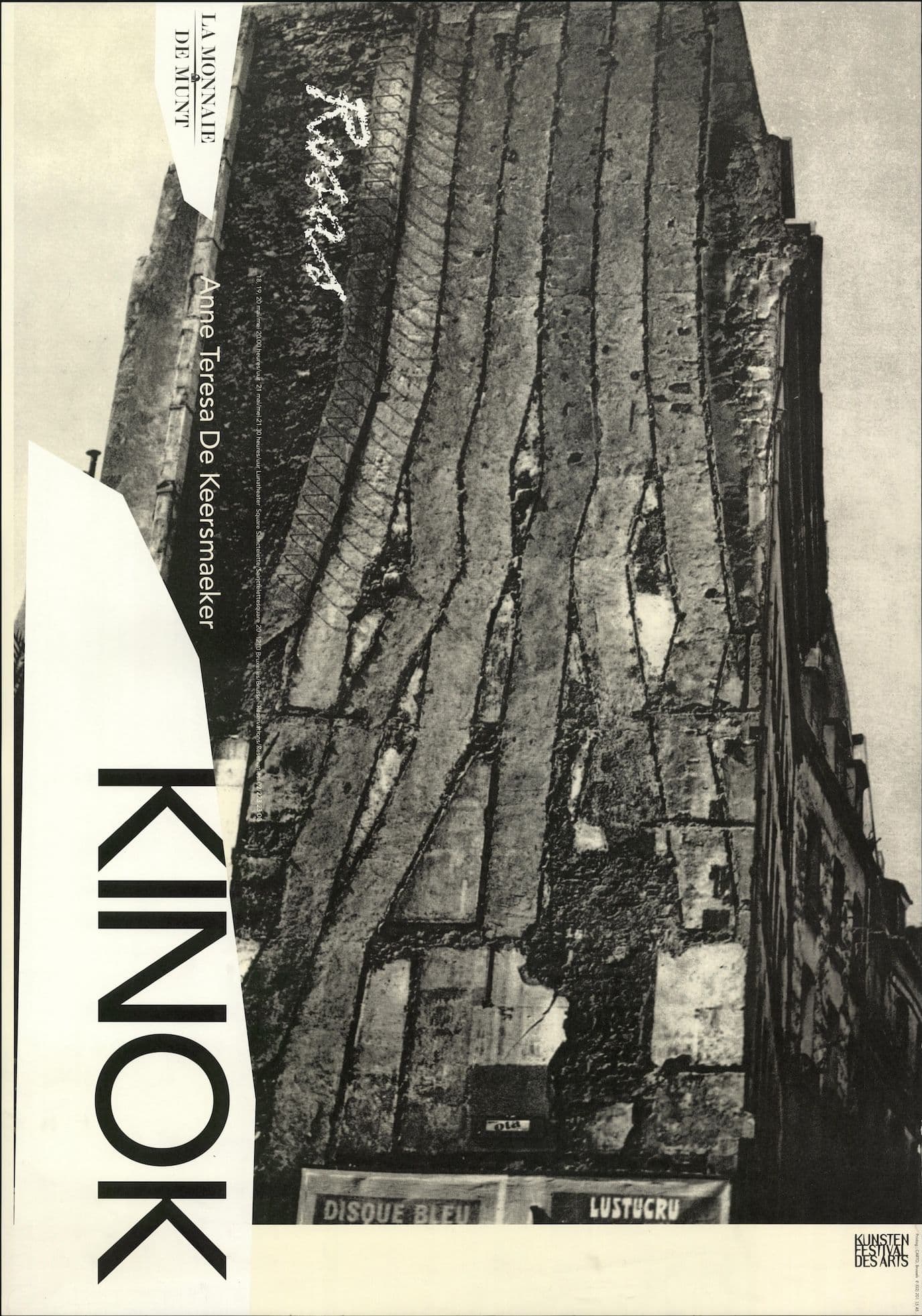
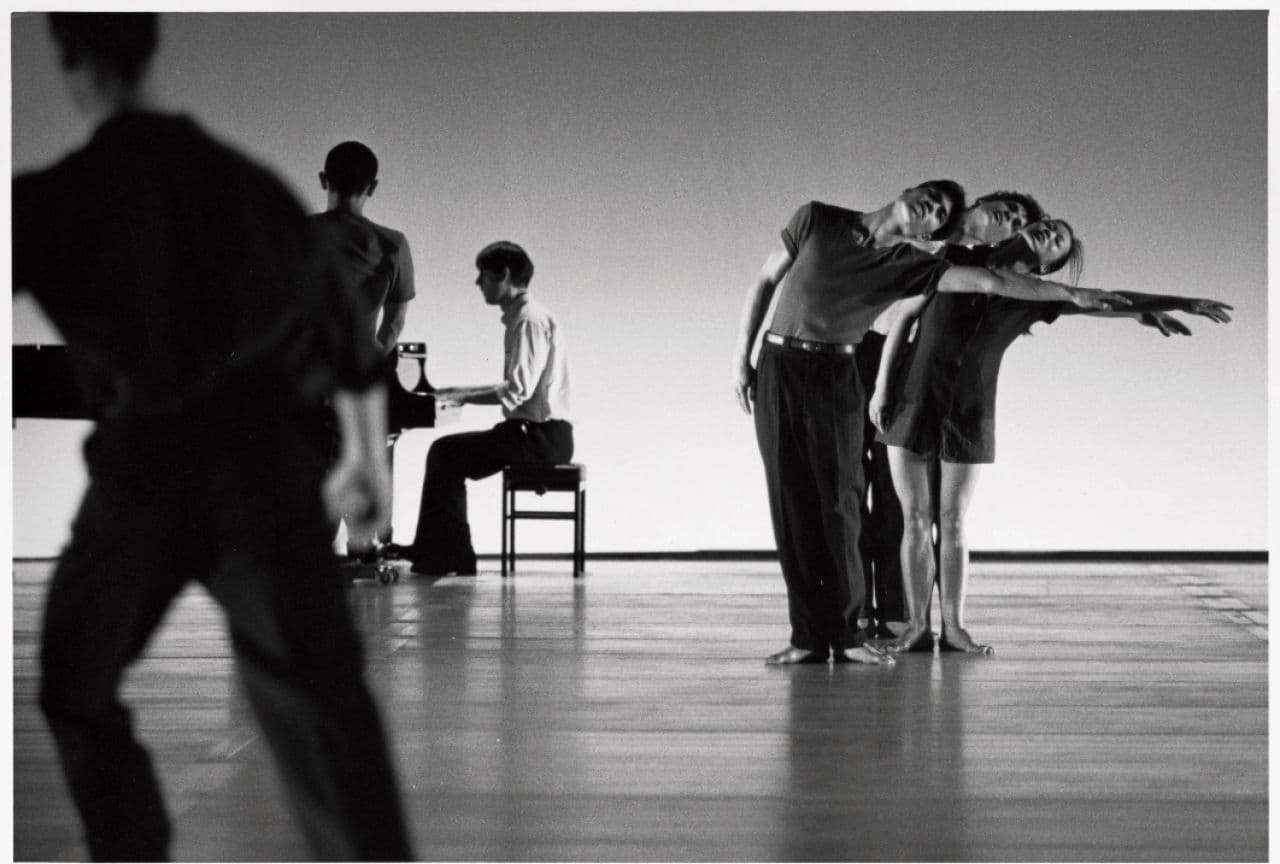
It premiered in May 18, 1994, at the Lunatheater in Brussels during the KunstenFESTIVALdesArts as part of a dance production choreographed by Anne Teresa de Keersmaeker. Kinok, which was commissiond for this production, was one part of a full three-part dance performance also including music by Bela Bartók and Ludwig van Beethoven.
Kinok was the start of a beautiful friendship – the first ever collaboration between Rosas and Ictus.
New kids on the block
The making of a new ensemble:
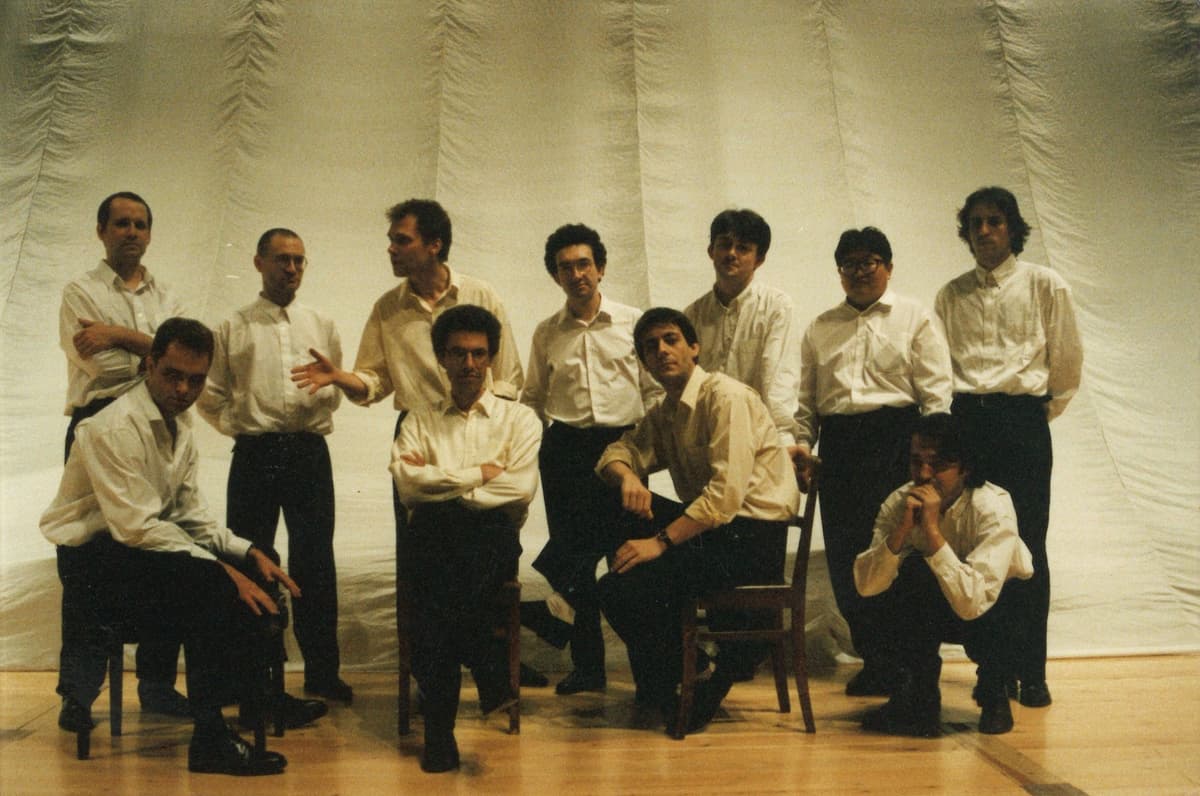
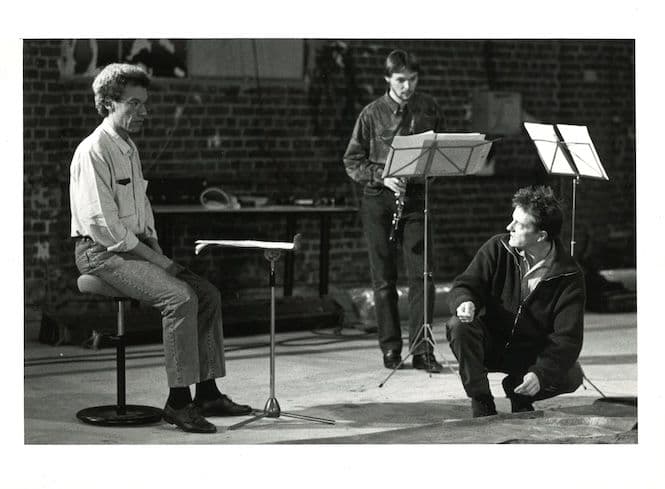
In the front: George Alexander van Dam, Georges-Elie Octors, Jean-Luc Fafchamps, Paul De Clerck
In the back: Géry Cambier, Dirk Descheemaeker, Jean-Luc Plouvier, François Deppe, Piet Van Bockstal, Takashi Yamane, Jeroen Robberecht
Quote
“Kinok means ‘eye movements’ in Russian. I chose the title to describe the phenomenon whereby certain things accelerate while others slow down within the same field of perception. The title is also a tribute to Dziga Vertov, a Russian filmmaker from the beginning of this century who was part of the cinéma vérité movement and whose L’Homme à la caméra, a visual symphony in four parts, has retained its seductive beauty.”
Thierry De Mey
L'Homme à la caméra (1929)
Man with a Movie Camera
Directed by Dziga Vertov
Written by Dziga Vertov
Produced by Star Mishkel-Eneva
Cinematography by Mikhail Kaufman, Gleb Troyanski
Edited by Dziga Vertov, Yelizaveta Svilova
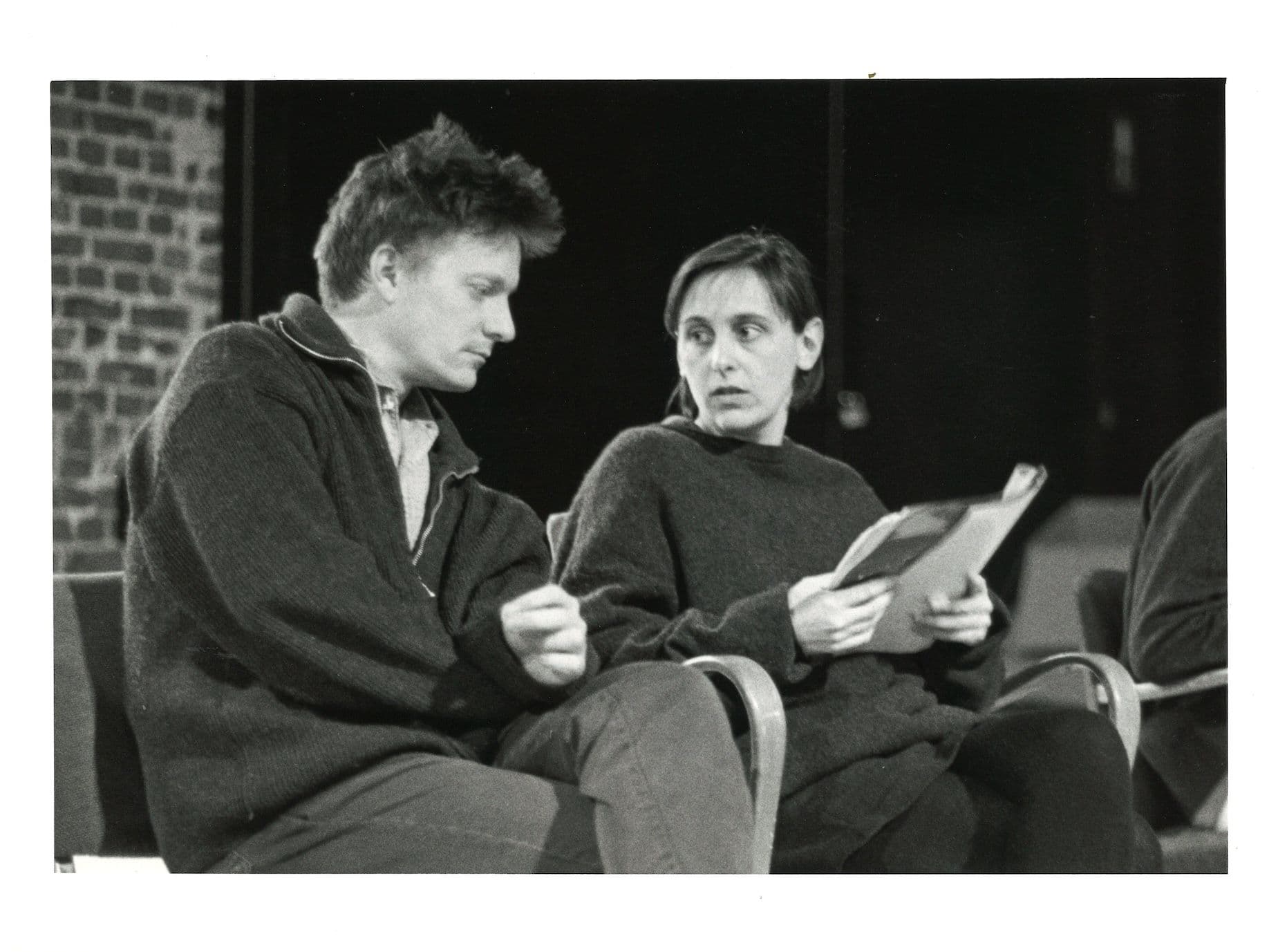
Presentation by Marianne Van kerkhoven (an excerpt)
Choreography
Anne Teresa De Keersmaeker
Dancers/Rosas
Suman Hsu, Osman Kassen Khelili, Marion Ballester, Misha Downey, Philipp Egli, Kosi Hidama, Brice Leroux, Mark Lorimer, Sarah Ludi
Repetitors
Bruce Campbell, Franck Chartier, Vincent Dunoyer, Thomas Hauert
Decor: Herman Sorgeloos
Costumes: Nathalie Douxfils
Light design: Remon Fromont
Production: Rosas & De Munt/La Monnaie
Co-production: Internationaal Kunstenfestival
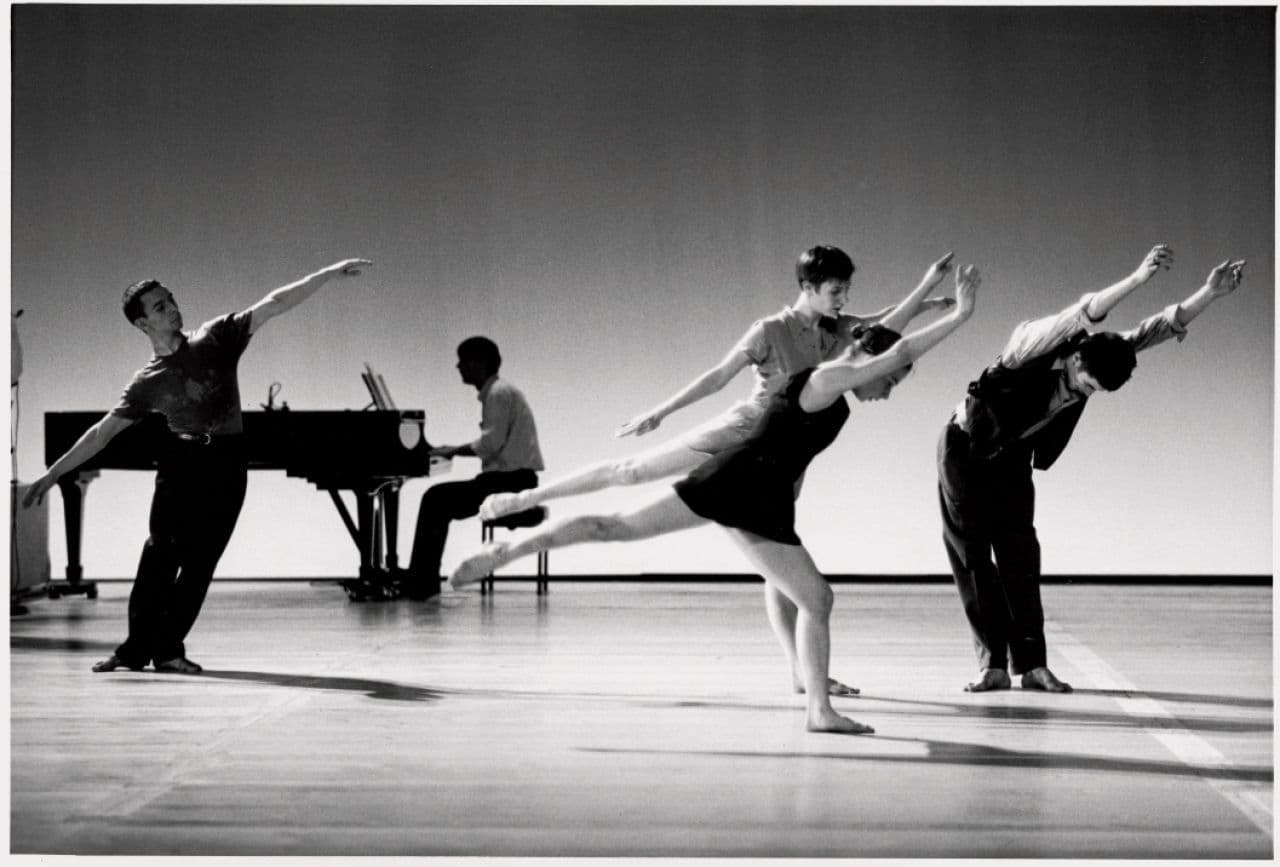
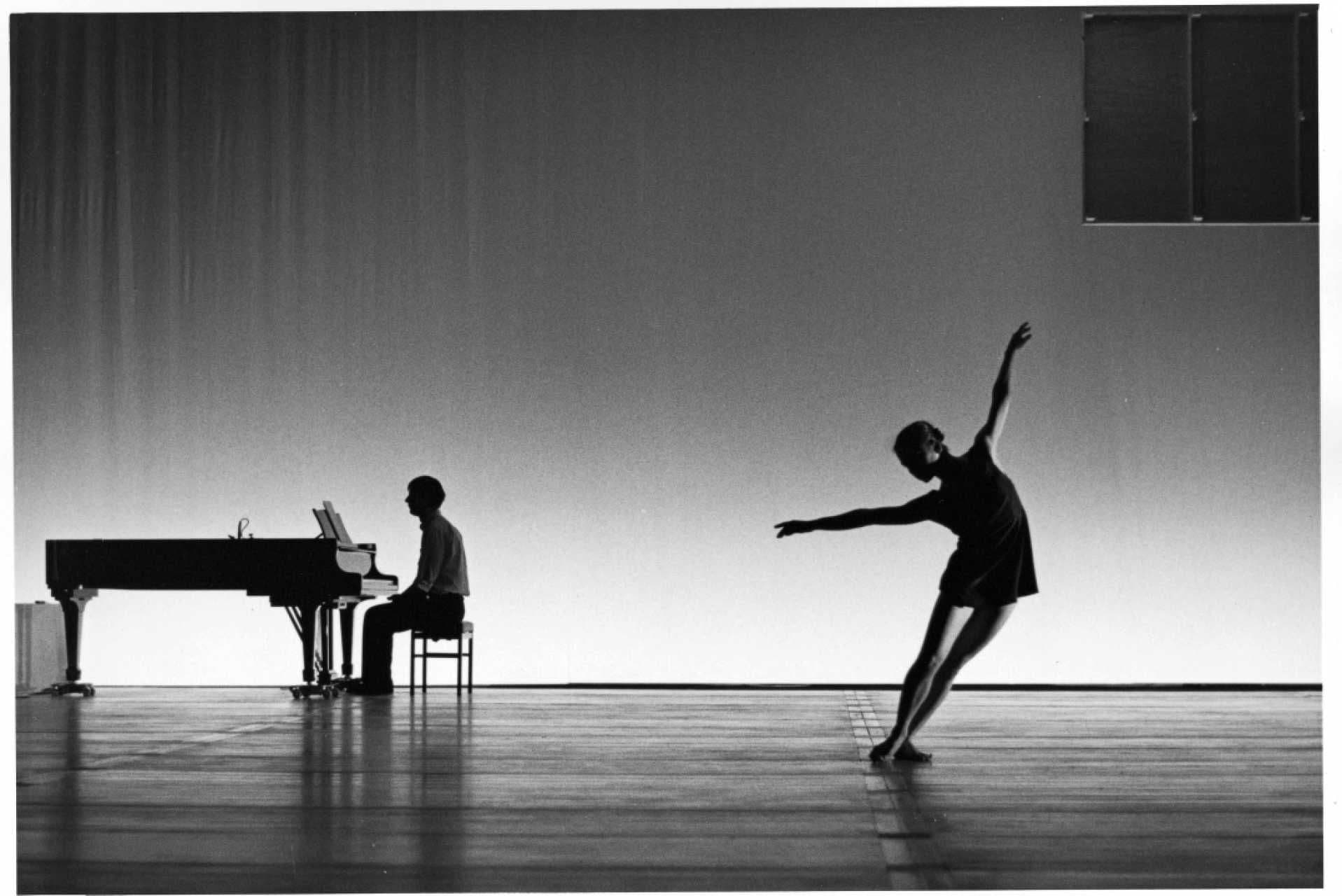
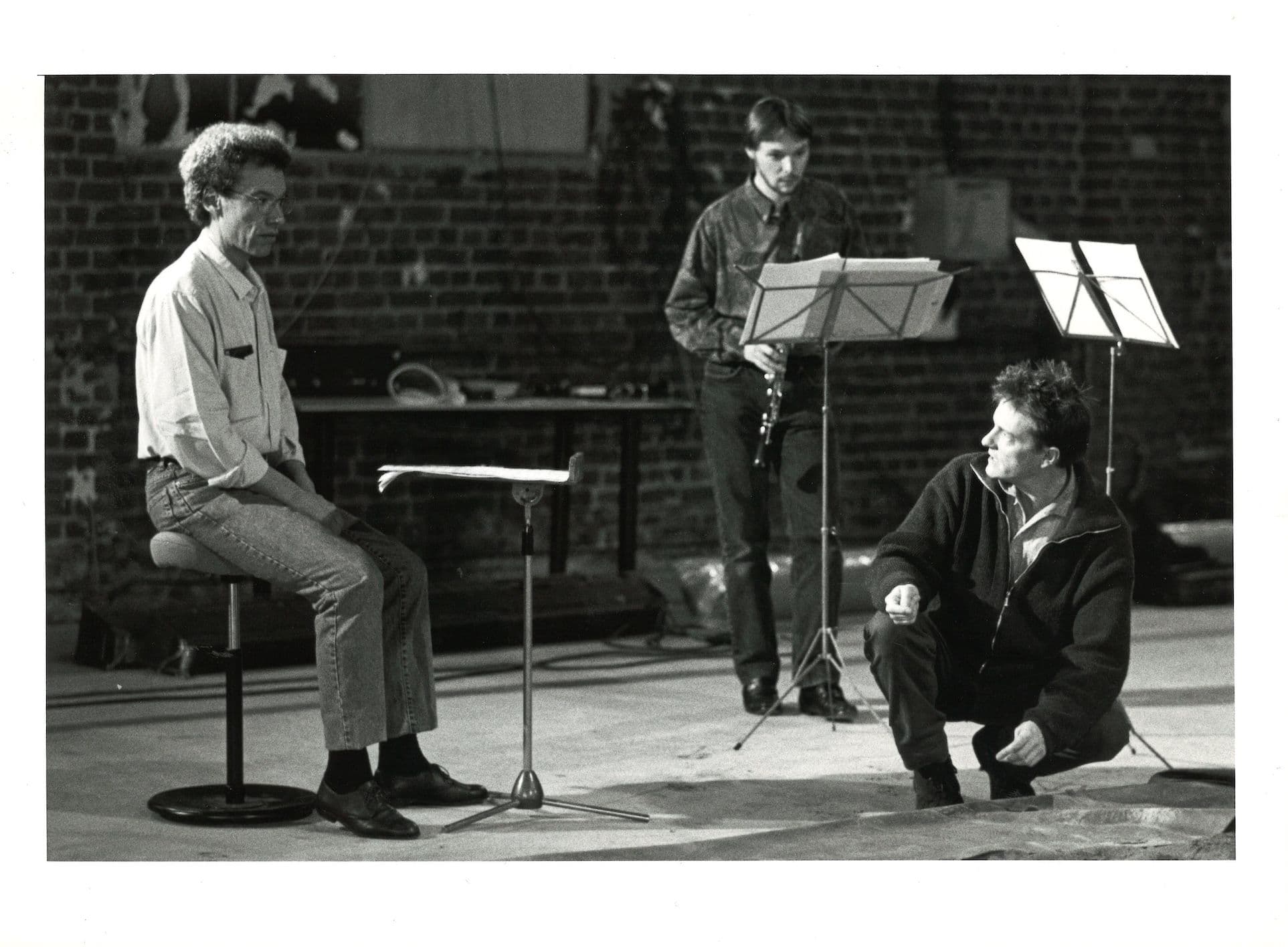
Score Fragments
(sometimes words are not enough)
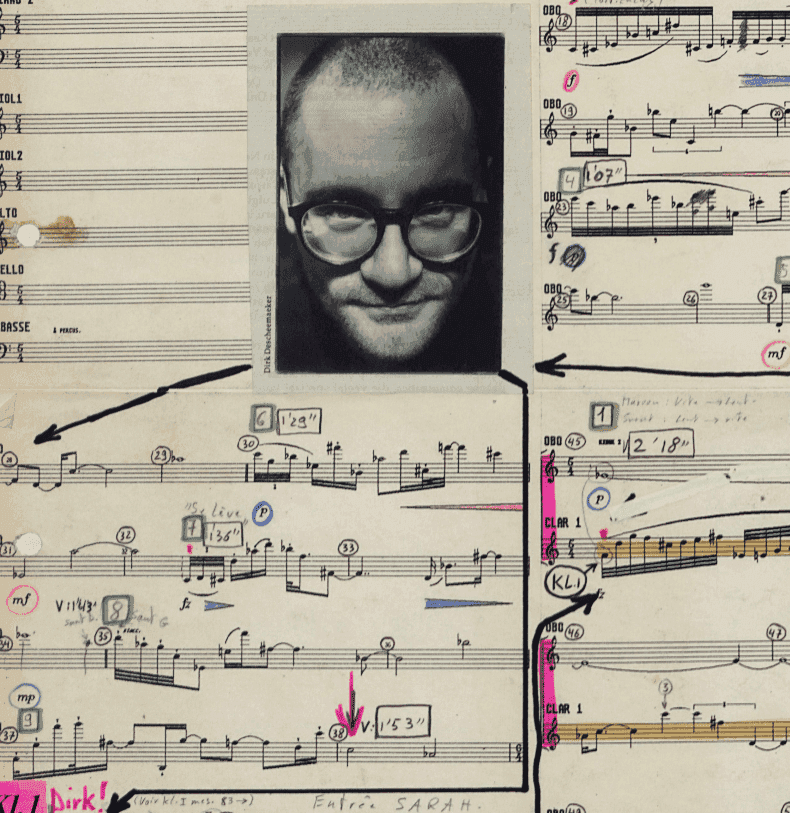
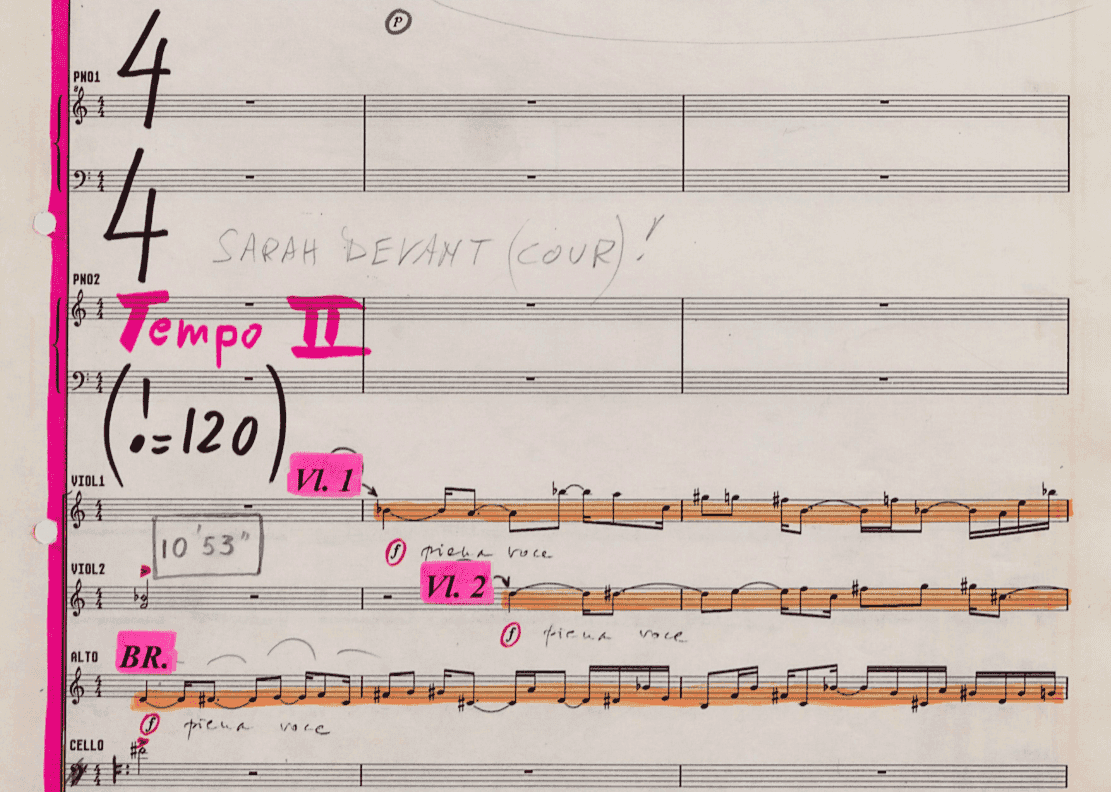
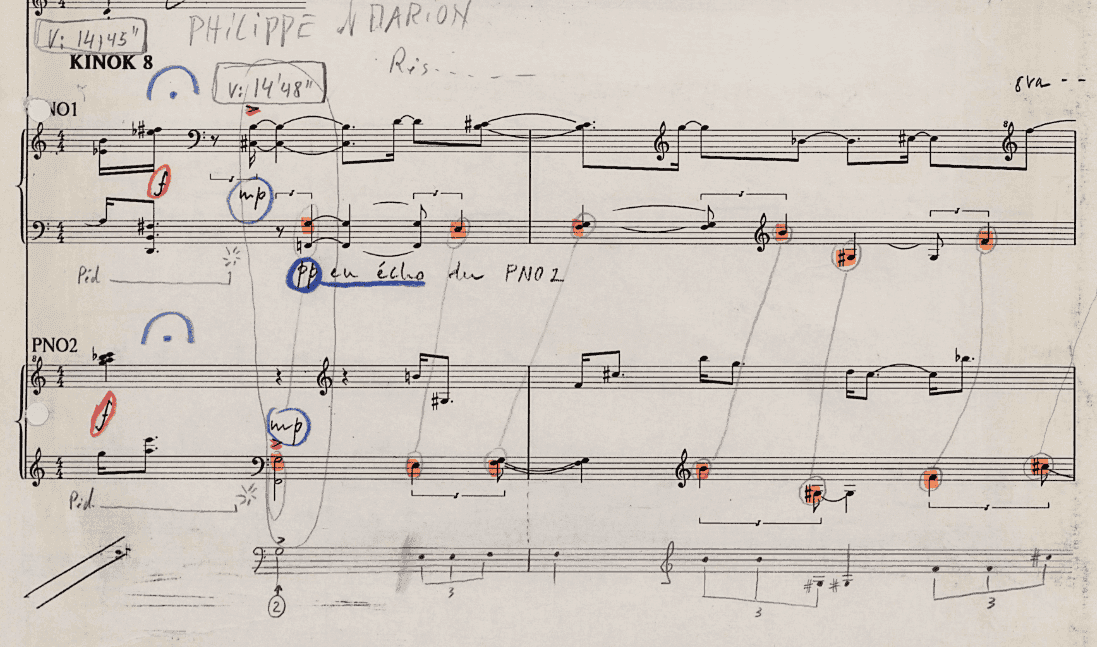
Score Follower video from the annotated score of Georges-Elie Octors
Impressions
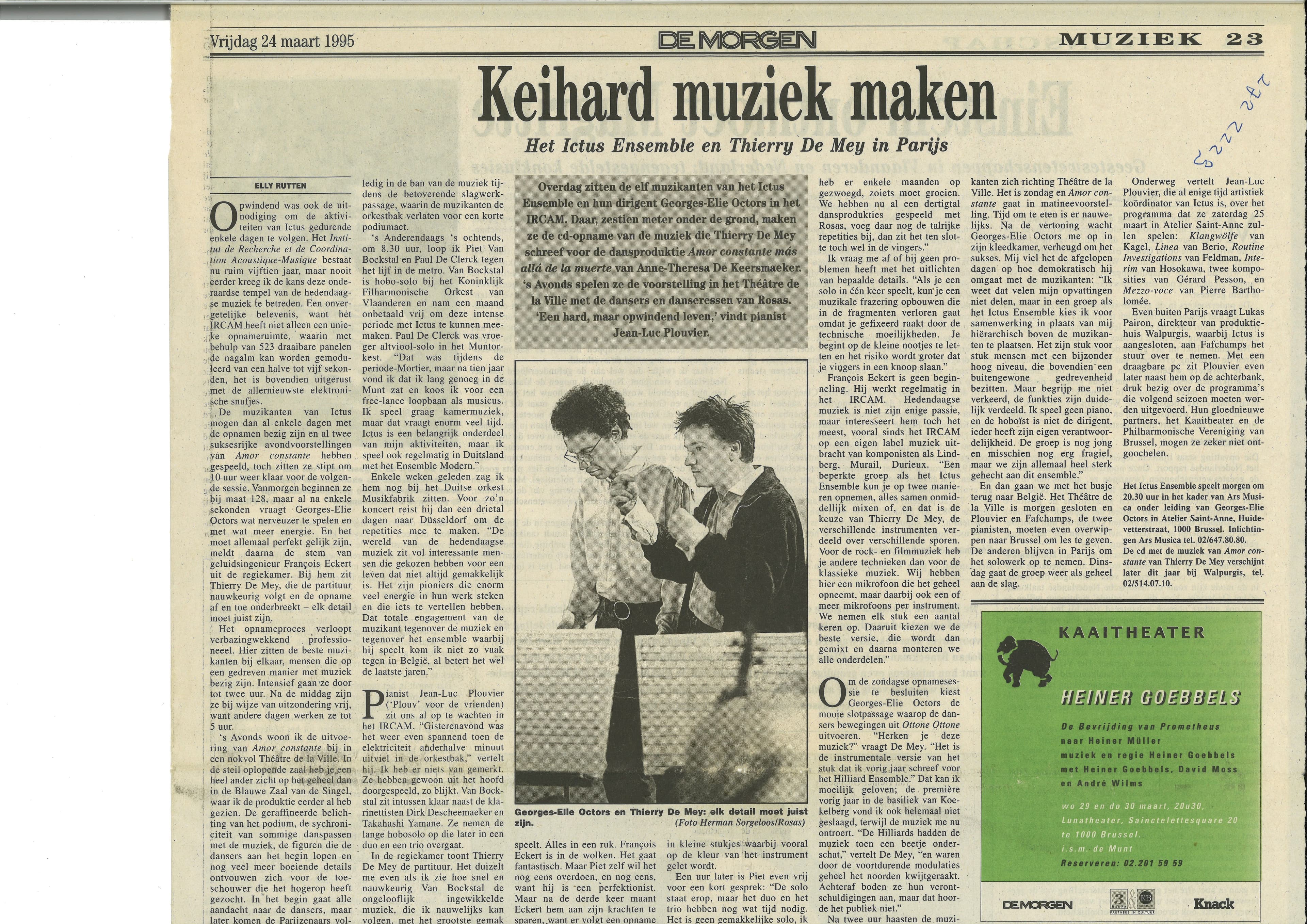
Section from and article by Elly Rutten for De Morgen, covering the recording period of Kinok in Paris. Georges-Elie talking about the ensemble:
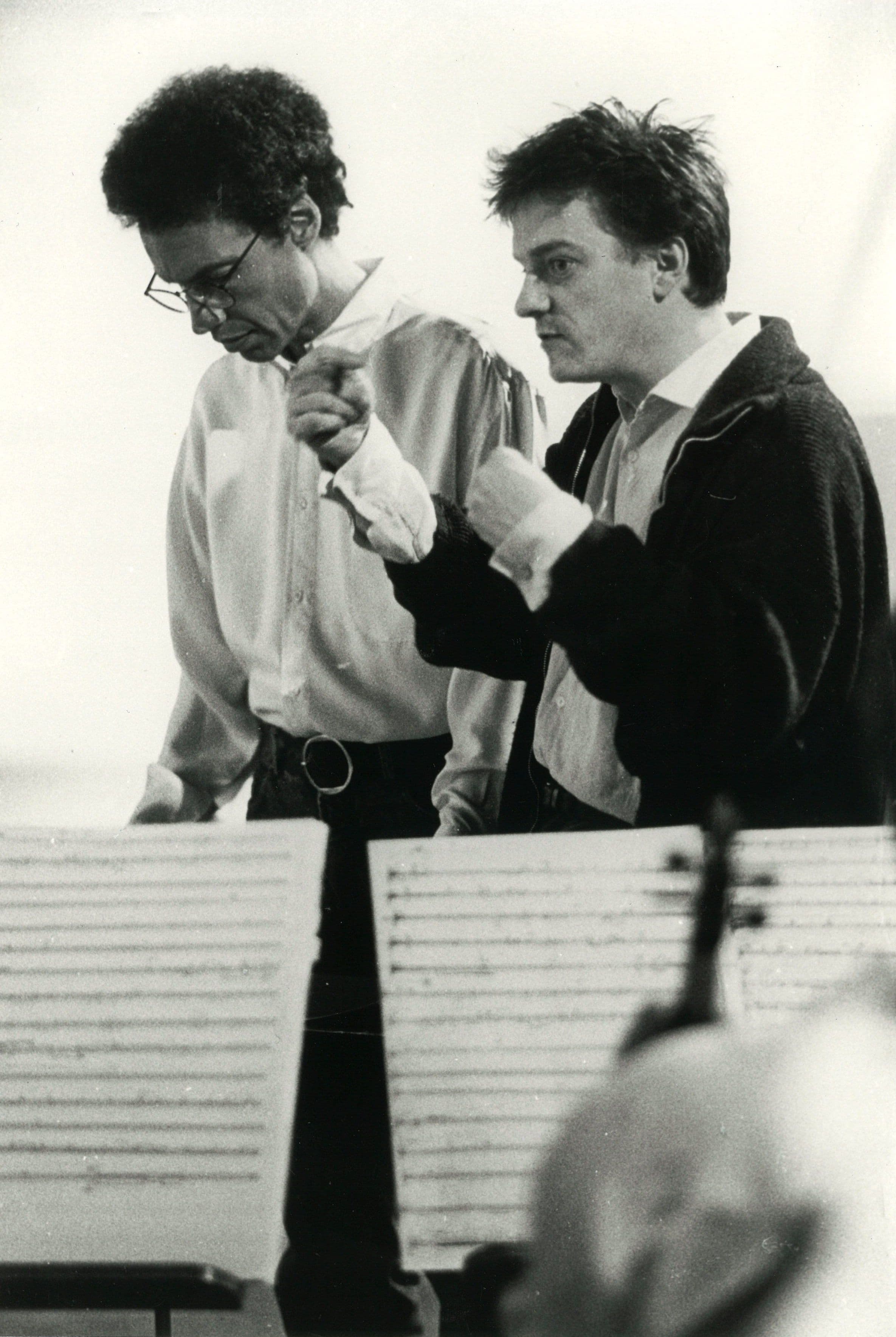
"After the performance, Georges-Elie Octors waits for me in his dressing room, delighted with the success. Over the past few days, I have noticed how democratically he treats the musicians: "I know that many do not share my views, but in a group like the Ictus Ensemble, I choose cooperation rather than placing myself hierarchically above the musicians. They are all people of a very high caliber, who also possess extraordinary drive. But don't get me wrong, the roles are clearly divided. I don't play the piano, and the oboist is not the conductor; everyone has their own responsibilities. The group is still young and perhaps still very fragile, but we are all very attached to this ensemble."
- De Morgen, March 24, 1995
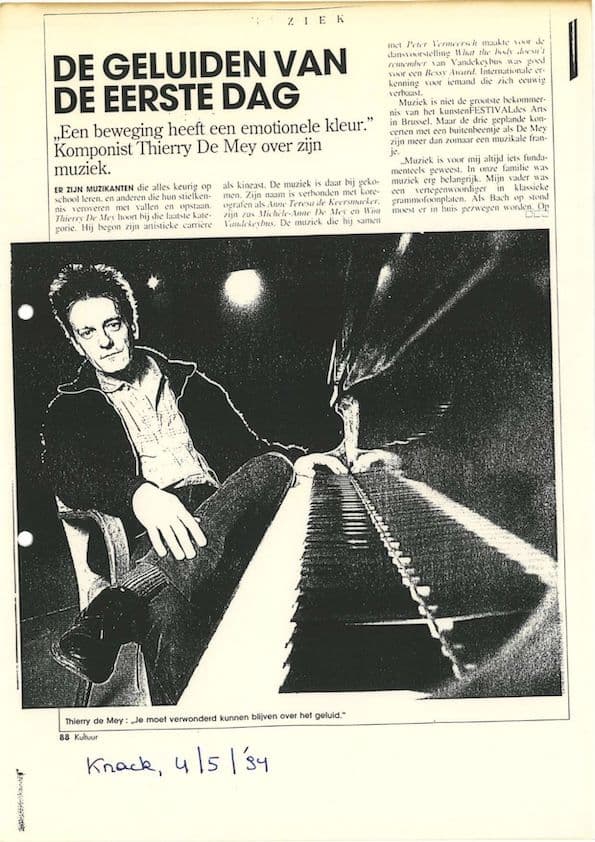
Thierry De Mey about Octors and his composing process in Knack (1994):
“My musical evolution has everything to do with the people I have worked with. They provided my training. I once played in a percussion quartet with Georges-Elie Octors. When you are in a team with him, you have to raise your standards; you have to be able to keep up with him. In retrospect, I always write music for movements. As a composer, you are caught between two worlds. You write music down on paper, in a two-dimensional space. Writing music suggests time. But you also see it. That is where the ambiguity lies. Seeing has to do with intelligence, while hearing is more intuitive, which is much more difficult to formalize.
/---/
“A second condition I set is that there must be ongoing dialogue with the choreographer. I could easily write a large ballet in my room, based on a story, and then submit it to a choreographer. That would be possible. But I think you would be missing something. In a healthy process, dance and music develop together. An excerpt from Anne Teresa's next ballet, Kinok, will premiere at this festival. We have divided the work into different parts. In each excerpt, we follow a different tactic. For example, for the third part, we each have a key, a very strict subdivision of time. We are almost attached to each other. We are almost as intertwined as in a knitted fabric. This is the most rigorous fragment. If this works, we will have enough material for the other parts. In another part, we start from texts, or we let music and dance go their separate ways and then look for one element that connects the two.”
- Knack, 1994
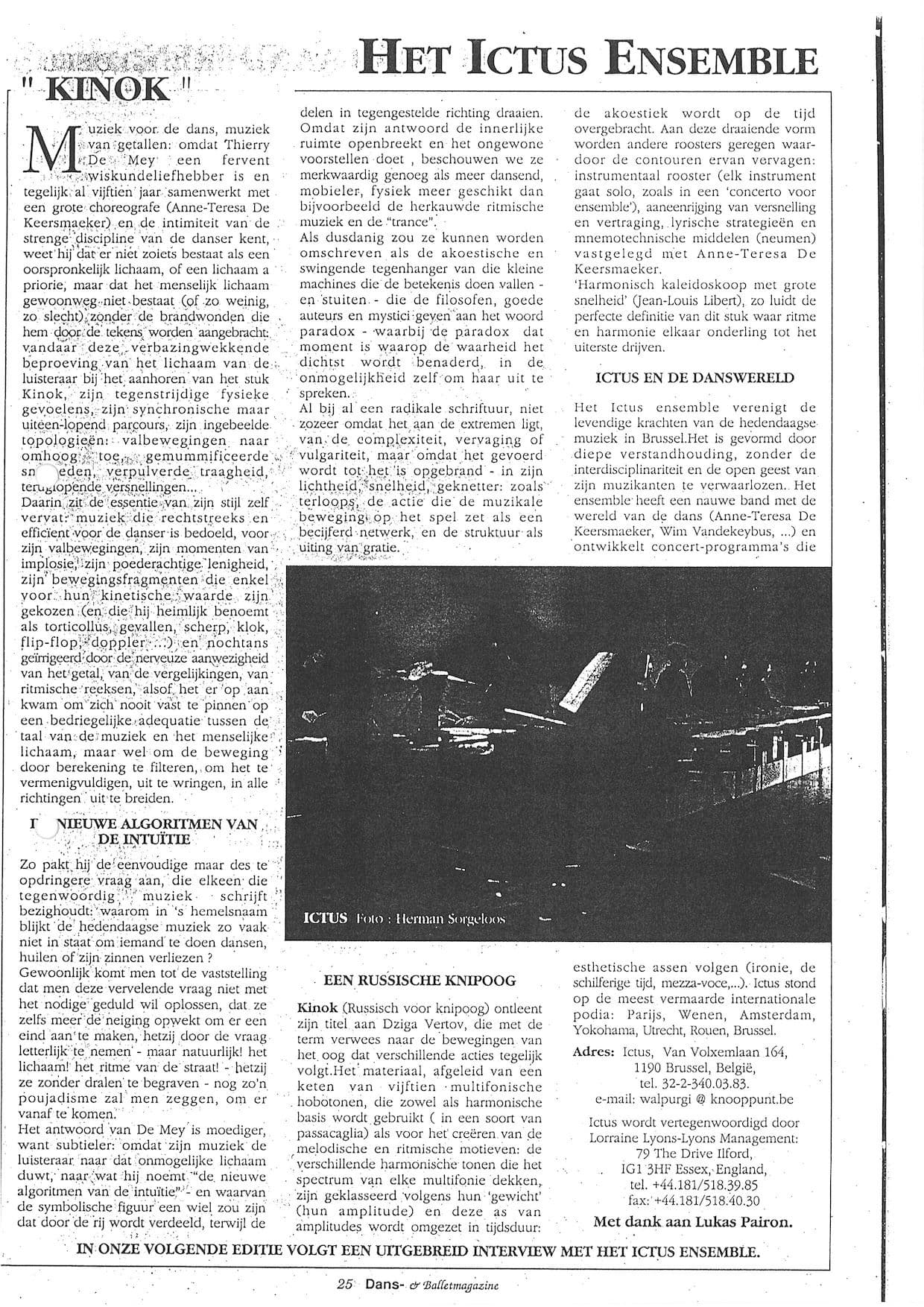
An analysis of Kinok in the Dans&Balletmagazine
“Music for dance, music of numbers: because Thierry De Mey is an avid lover of mathematics and has been working with a great choreographer (Anne-Teresa De Keersmaeker) for fifteen years, and because he knows the intimacy of the dancer's strict discipline, he knows that there is no such thing as an original body, or a body a priori, but that the human body simply does not exist (or so little, so poorly) without the burns inflicted on it by the signs: hence this astonishing ordeal of the listener's body when listening to the piece Kinok, his contradictory physical feelings, his synchronous but divergent trajectory, his imagined topologies: upward falling movements, mummified oaths, pulverized inertia, reopening accelerations.”
/---/
“All in all, a radical writing, not so much because it lies at the extremes of complexity, blurring, or vulgarity, but because it is carried to the point of exhaustion—in its lightness, speed, crackling: as if in passing, the action that sets the musical movement in motion, the play as a numerical network, and the structure as an expression of grace.”
- Dans&Balletmagazine
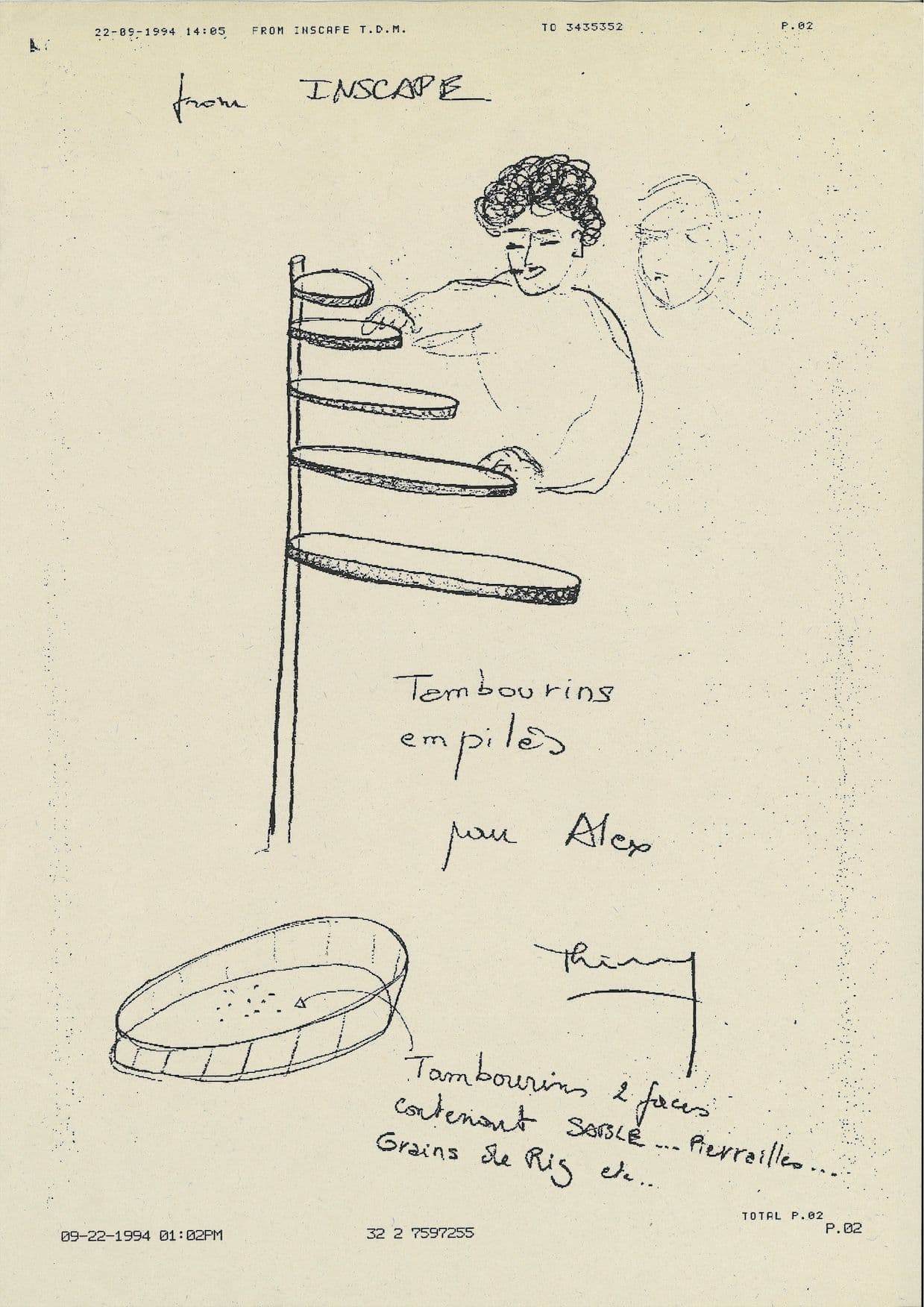
Could this be Thierry De Mey's drawing of Georges-Elie Octors?
CAST & CREDITS
WORKS
George van Dam, violin
Dirk Descheemaeker,, clarinet
Jean-Luc Plouvier, piano
Georges-Elie Octors, conductor
François Deppe, cello
Jean-Luc Fafchamps, piano
Piet Van Bockstal, oboe
Takashi Yamane, clarinet
Paul De Clerck, viola
Jeroen Robberecht, violin