Brewaeys: Double Concerto
GALLERY
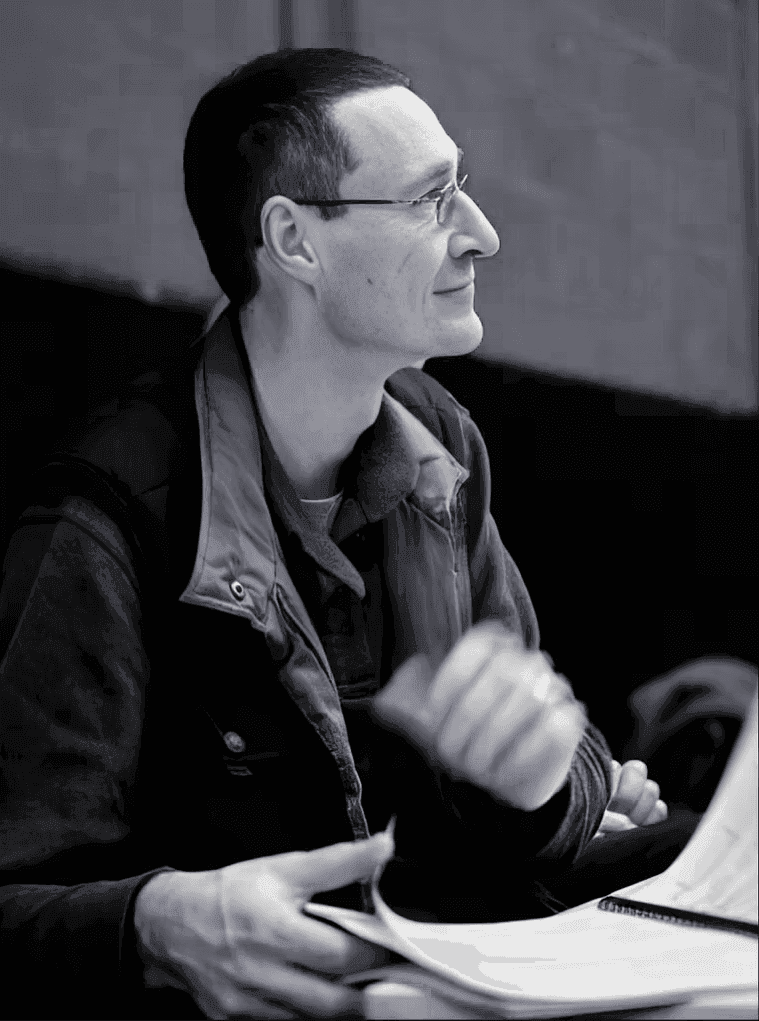
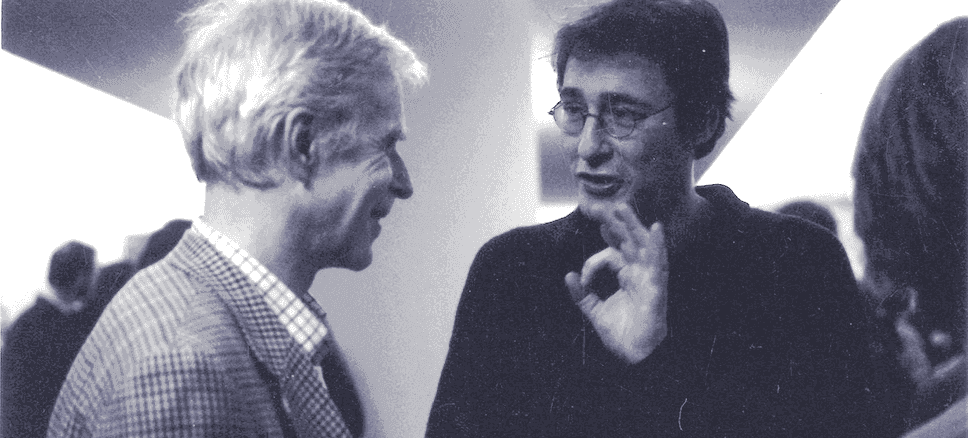
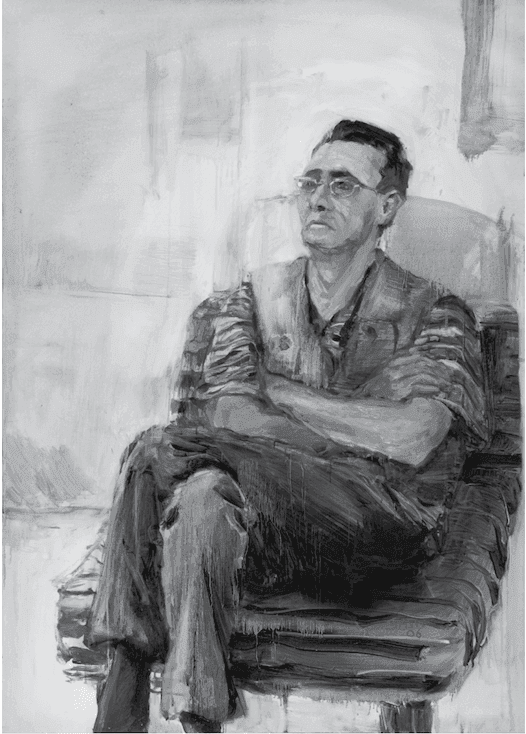
Luc Brewaeys: Double Concerto
for alto/bass flute & horn solo with 10 players & electronic sound.
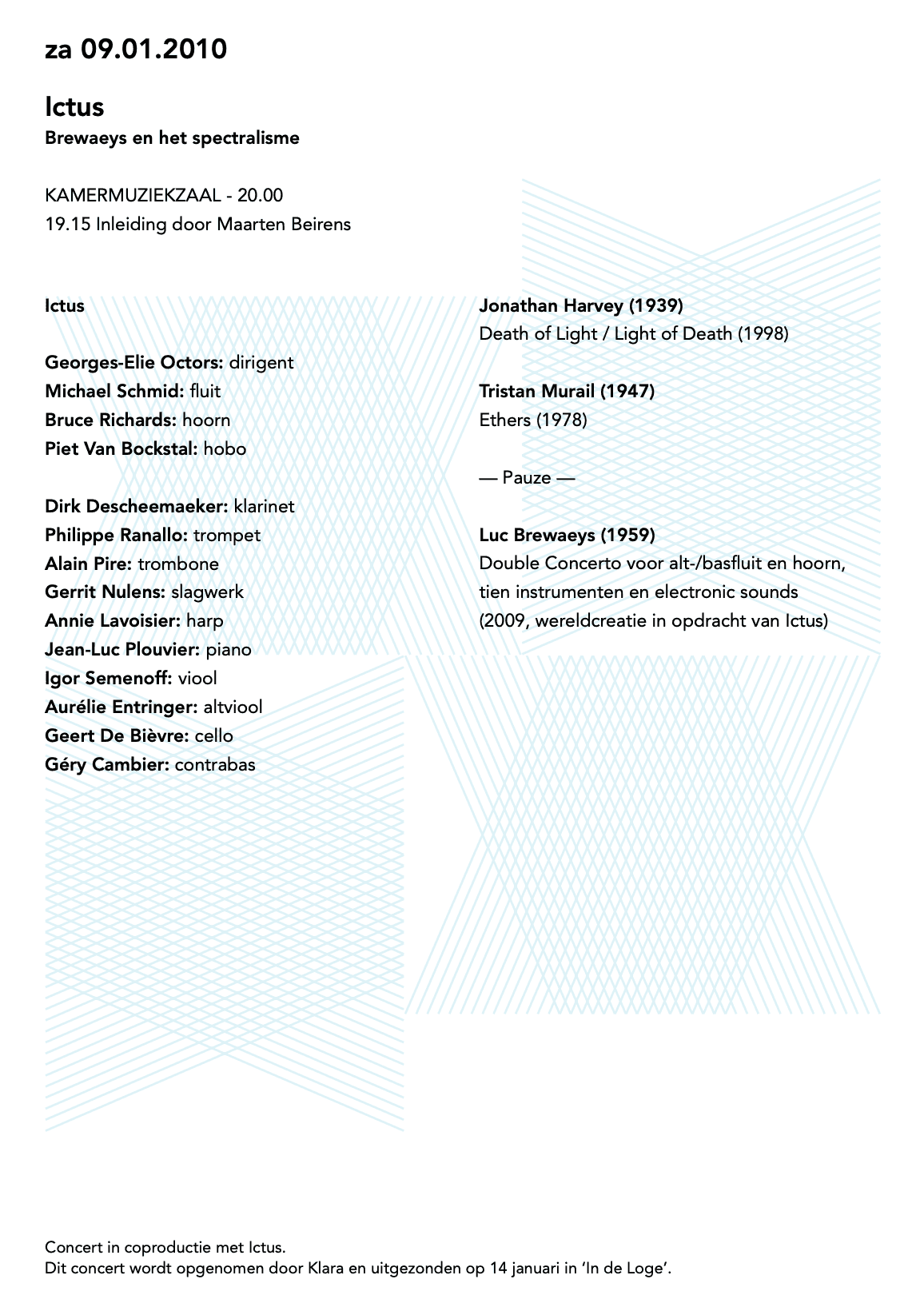
Commissioned by Ictus Ensemble and premiered on January 9, 2010 at the Concertgebouw in Bruges, part of a 3-day "Domein Luc Brewaeys" to celebrate his 590th birthday.
Note from the composer
The “Double Concerto” was commissioned by the Ictus Ensemble. They first performed the work conducted by Georges-Elie Octors and with Michael Schmid on flutes and Bruce Richards on horn at the Concertgebouw in Bruges on January 9, 2010. The second performance followed almost immediately afterwards at deSingel in Antwerp (on Jan. 21).
The work starts with a lengthy double cadenza for the soloists, with some interventions of the electronic sounds, which mostly are based on instrumental sounds (from the soloists or from the ensemble). The parts are physically very demanding, although melodies take an important role in this work. Some of the material played afterwards is based on my previous Ictus commission “Jocasta” (2003), but I have extended the harmonies and eliminated lines which I considered being “too sweet”.
The work is now about 15 minutes long, but I schedule to add some 9 to 10 more minutes, in order to equilibrate the overall form of the work. The score is dedicated to Lukas Pairon, director of Ictus and longtime friend.
Luc Brewaeys
A TV-Portrait
Canvas Klassiek followed the creation process of some of Luc Brewaeys' works and put it together into an hour-long program "Striaght" that aired on VRT, on May, 2011. You can see clips from the rehearsal process of the Double Concert as well as interviews with Georges-Elie Octors, Jean-Luc Plouvier and others.
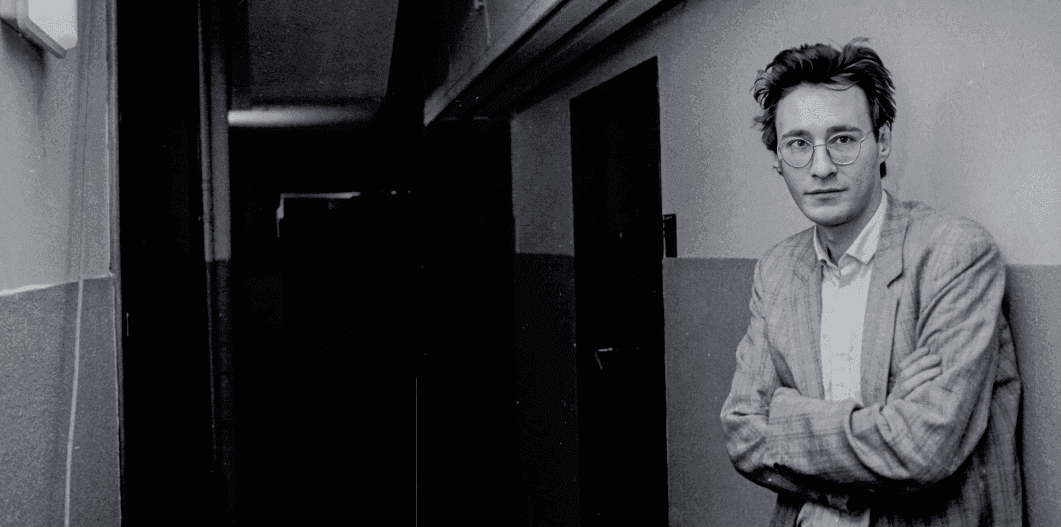
Excerpt from the program booklet written by Maarten Beirens
Luc Brewaeys’ approach to breaking through static harmony relies primarily on a wide range of playing techniques, virtuosity, and speed. Luc Brewaeys has consistently sought to avoid the stereotypical refined-yet-static character of spectralism. His music is therefore brimming with lively details: rhythmic subtleties, ornaments, arabesques, and above all, a range of alternative playing techniques that are brought to the fore as unexpected “effects.” The intention is to offer the listener those refined, static harmonies, but without giving them a chance to get bored. By creating a highly lively and colorful musical surface, Brewaeys offers, as it were, a counterbalance to the more slowly evolving harmony. Although it must be added immediately that Brewaeys’ harmonic language has undergone some evolution in recent years. Starting with the opera *L’uomo dal fiore in bocca*, he has increasingly explored the boundaries of spectral harmony by adding notes that do not belong in the relevant “spectrum.” In this way, he deliberately undermines the laws of his self-chosen harmonic system, opens it up, and, above all, builds a new kind of tension, with music that alternately seems to affirm and deny spectral harmony.
/---/
The surface of a composition by Luc Brewaeys is often teeming with notes. This gives the music a sort of elusive quality—a fleetingness and a sense of sparkle—that perfectly counterbalances the harmonic continuity and the often-tight structure of a work divided into precisely measured time blocks. However, this agile and often virtuosic style of composition is never an end in itself for him, but rather serves the expressive power of the music. After all, even in his most abstract compositions, Brewaeys is a man with a strong theatrical instinct.
The numerous alternative playing techniques and effects are dramatic events that—abruptly, strikingly, and sometimes even with a touch of humor—can give a work a different turn or a remarkable accent. Yet it is always striking how these theatrical gestures find their meaningful and logical place within the musical discourse.
If Brewaeys’ compositions are best characterized as overwhelming complexes of sound, then those theatrical effects are merely the most eye-catching details of them.
Brewaeys on Klara
Several Klara interviews, as well as the concert introduction can be heard on the De Singel websit.
Score Follower
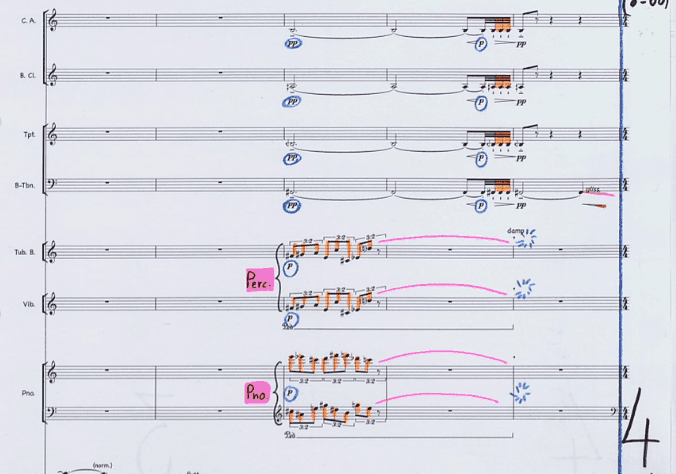
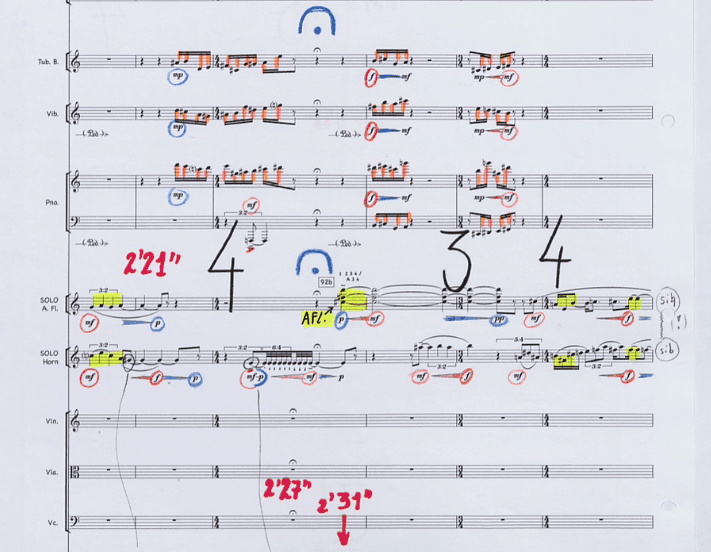
Video edited from the personal annotated score by Georges-Elie Octors.
CAST & CREDITS
WORKS
Bruce Richards, horn solo
Piet van Bockstal, oboe, English horn
Dirk Descheemaeker, clarinet, bass clarinet
Philippe Ranallo, trumpet
Alain Pire, bass trombone
Gerrit Nulens and Koen Plaetinck, percussions
Jean-Luc Plouvier, piano
Igor Semenoff, violin
Aurélie Entringer, viola
Geert de Bièvre, violoncello
for alto/bass flute & horn solo with 10 players & electronic sounds
Dedicated to Lukas Pairon
Duration ca. 15′